
Acids and Toxic chemicals: NFPA diamond

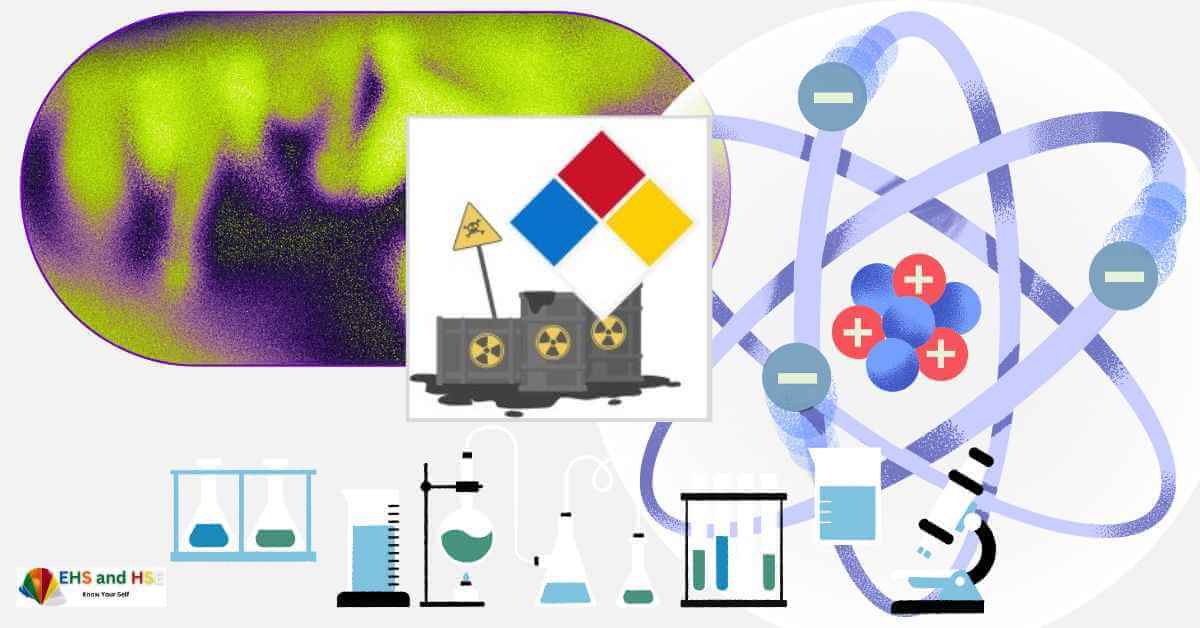
Acids and toxic chemicals NFPA diamond show chemical reactions and acids effect.

Acids and Toxic chemicals NFPA diamonds are very important. Because the use of acids and toxic chemicals without safety is very dangerous for humans. The NFPA of acids tells us about appropriate chemical handling safety precautions and PPE (Personal Protective Equipment). Acids NFPA Diamond Hydrochloric acid (HCl) The reaction of hydrogen gas with chlorine gas … Read more

Fuel and Flammable NFPA Diamonds

Fuels and Flammables NFPA diamonds. Oils and Lubricants.

Fuel and flammable NFPA diamonds are at high risk of fire as compared to other risks. materials like petroleum products and lubricants are highly flammable because their fire risks are very high. Here are some fuel and flammable NFPA diamonds with Hazard Rating. These NFPA diamonds are commonly used with GHS hazard pictograms in fuel tanks, … Read more

The Best Safety Shoes

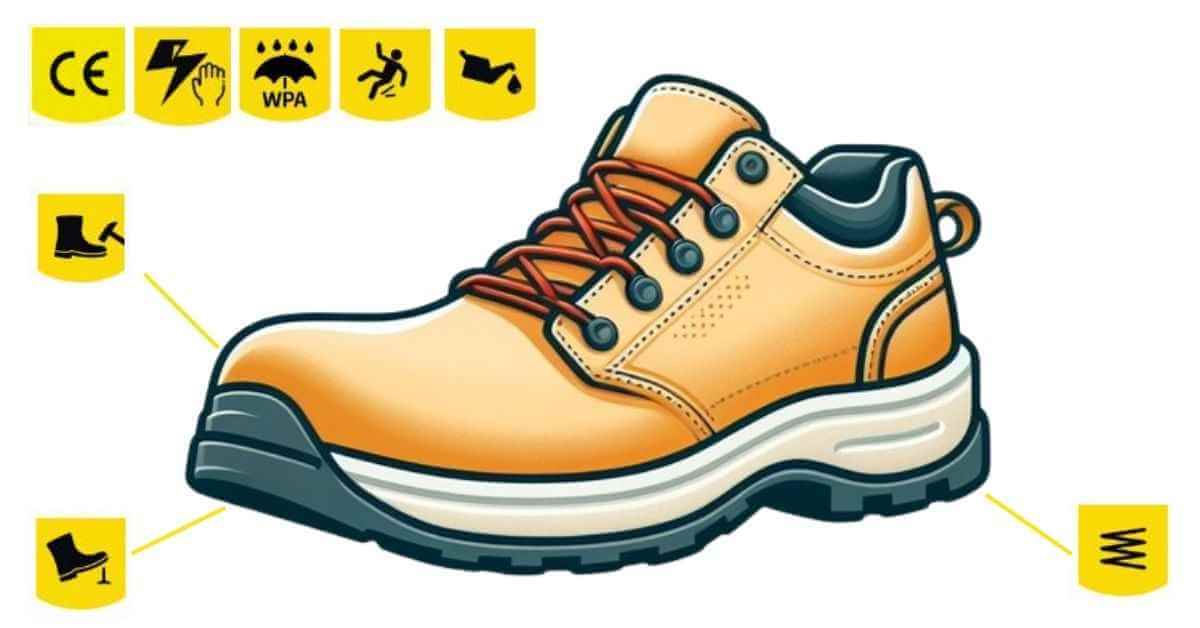
The best safety shoes with icons of qualities.

What is a safety shoe?

Shoes that protect our feet from hazards of dropped objects, slipping and sharp edge objects are called the best safety shoes. Safety shoes are an essential part of PPE (Personal Protective Equipment).

Qualities of Safety Shoes

  • With Comfortable footbed
  • Ultimate shock absorption
  • Protective Toe cap
  • Puncture Resistance
  • European or ASTM standards
  • Slip Resistance

With Comfortable footbed

The comfortable footbed should be developed with an exceptional performance structure of safety shoes. Safety shoes must be comfortable during maintenance work and hard work. The shoes should be designed to be light in weight, have air breath ports, and be comfortable all day long.      

Ultimate shock absorption

The quality of shock absorption protects the feet from the impact of the jumps. The quality of shock absorption protects the feet from the impact of the jumps. For this purpose, a cushioned and comfortable footbed is essential in safety shoes.

Protective Toe cap

A protective toe cap of safety shoes should be made according to European or ASTM standards. It protects the feet from impact regardless of the material. It also protects the feet from fallen objects at feet.

  1. Steel Toe cap
    • Steel toe caps are naturally stronger than composite or other material toe caps.
  2. Composite toe cap
    • Composite toe caps are lighter than steel toe caps. It reduces stress and fatigue on the legs and joints throughout a long workday.
  3. Nanocarbon toe cap
    • Nanocarbon toe caps are thinner and lighter than composite toe caps. Therefore this is a solution for the thicker and bulkier composite toe caps.
      • Composite and nanocarbon toe caps are also metal-free and practical when working in an electrical hazardous environment. It is also suitable for work on metal detectors such as courts, banks, and airports.
  4. Layer as conductor
    • A thinner layer should be used in the sole of the safety shoes to reach the same strength as a composite toe. It should be used as a conductor of cold, heat, and electricity.
  5. With Self-cleaning outside

Puncture Resistance

A steel layer must used in midsoles from toe to heel. The steel layer prevents the shoe’s puncture. It protects feet from sharp edge objects entering through the sole that can cause injury to feet.

Slip Resistance

Slipping resistance is very essential quality in industrial footwear. Slipping resistance soles must tested on a ceramic tile wetted with a dilute soap solution. It should also tested on a smooth steel with glycerol. If the safety shoes pass these tests that’s why we should consider them safe safety shoes.

European or ASTM standards

European Standards Safety Shoes

These standards are important for manufacturers, employers, and consumers. To ensure the quality safety footwear for every workplace condition.

  1. EN ISO 20345:2011:
    • This standard specifies basic requirements for safety footwear. It covers features of safety shoes toe protection, impact of objects, compression, and essential safety criteria.
  2. EN ISO 20347:2012:
    • Focusing on occupational footwear, this standard sets requirements for comfort, durability, and other performance aspects.
  3. EN ISO 20346:2014:
    • Similar to EN ISO 20345, this standard pertains to protective footwear. It focuses on increased resistance to penetration. It also covers a higher level of protection for the metatarsal area.

ASTM International Standards

  1. ASTM F2412-18 and F2413-18:
    • These standards cover the performance requirements for various types of safety shoes.
      • ASTM F2412 addresses testing methods for foot protection.
      • ASTM F2413 specifies the minimum performance criteria for the safety of footwear’s toe.
  2. ASTM F2892-18:
    • This standard covers non-metallic safety toe-protective footwear. It specifies requirements for design, performance, and all types of testing.
  3. ASTM F2412-18 and F2413-18 Metatarsal Guards:
    • ASTM standards ASTM F2412-18 and F2413-18 about specific metatarsal guards used in safety footwear. These standards address the performance and testing of safety footwear metatarsal protection.
  4. ASTM F1117-03(2017):
    • This standard provides guidelines for selecting footwear according to the workplace.
Related Posts

https://ehsandhse.com/ppe-and-its-uses

Sample MSDS of Acid

Sample MSDS of acid with NFPA and GHS hazard Pictoram

Here is a sample MSDS of Acid. Which can be used for a better understanding of the chemical and its properties. Material Safety Data Sheet 1. Chemical Name & Properties Chemical Name (Write chemical name here) Chemical Formula (Write chemical formula) Chemical Properties Chemical Status/ Chemical Colour 2. Manufacturer and Supplier Chemical Manufacturer (Write manufacturer … Read more

Industrial Safety Solutions

Meaning of safe environment in Industry. Industrial safety solutions are the key success of an industry and refers to a work setting or facility for the betterment of the workers. Safety is the key success of an industry refers to a work setting or facility. For this purpose in this environment, the employees, and visitors. … Read more

ANSI industrial safety standards

There are some important ANSI Industrial Safety Standards. What is ANSI? The ANSI (American National Standards Institute) is an organization that supports the development of technology standards in the United States and all over the world. The ANSI promotes safety precautions in industries. ANSI industrial safety standards show that these standards are about safety in … Read more

Heat stroke or Sunstroke

A man drinking water to protect yourself from heat stroke or sunstroke

Heat stroke or sunstroke is very common in the summer for workers who work at construction sites, roads, and projects. What is dehydration? Over-sweating and loss of fluids in the human body create weakness in the human body, this situation is called dehydration. The rising temperatures are the main cause of dehydration. We should decrease outdoor … Read more

EMS emergency management system

There are 6 steps in the EMS emergency management system. The steps are Prevention, Mitigation, Preparedness, Response, Recovery, and Record. Make a slogan of industrial safety solutions and industrial environment safety. 1. Prevention 1. Awareness Creating awareness in workers about safety and self-protection from hazards at the workplace is necessary to control incidents. For this … Read more

Golden safety rules for construction site workers

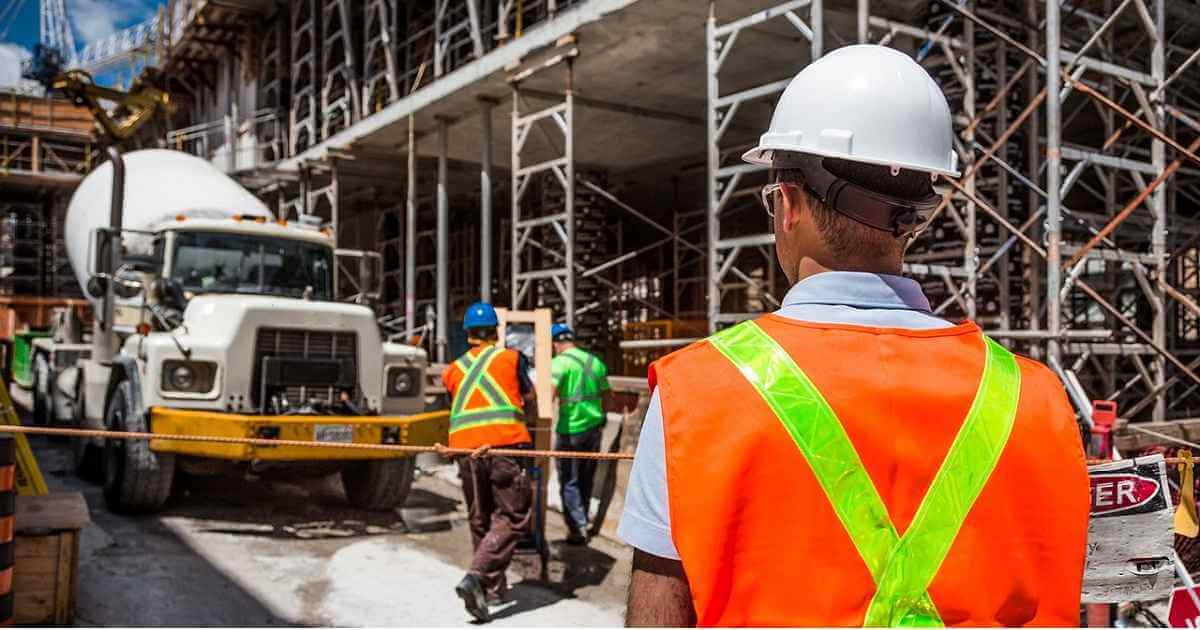
construction site worker with safety and PPEs

10 golden safety rules were introduced for construction site workers by HSE.

  1. Always wear PPE (personal protective equipment) at the site. Always select appropriate PPEs according to task specifications or as required by the job safety analysis.
  2. When boarding or leaving a barge, a vessel, or a platform always use appropriate equipment like a personal basket, pilot ladder, boat landing, or gangway.
  3. Be careful and active when walking and standing. Never walk or stand under a suspended load.
  4. Never work at the site or drive any equipment or machine, under the influence of alcohol or drugs.
  5. Don’t smoke outside of dedicated areas or fire-risk places. Always smoke at a specific smoking place.
  6. Don’t work at height without a safety harness. Always use collective protective equipment like guard rails, safety nets, etc.
  7. Report immediately to your supervisor or site in charge of any incident, accident, or near-miss.
  8. Make sure that the power supply of equipment has been cut off. which you want to manipulate for maintenance, repair, or modification.
  9. Do not remove or bypass barricades from the site or machine guarding. If you are not authorized so don’t enter a prohibited signalized area.
  10. Don’t enter a confined space or excavation area without atmosphere control and protection equipment.

Importance of safety rules for workers

  1. Worker’s satisfaction and interest during work.
  2. Control over any incident and accident about the worker.
  3. Create awareness about PPEs in workers.
  4. Inform workers about different situations and hazards.
  5. Realize the importance of the safety of body parts and lives.
  6. Creating activeness in workers for situational responsibilities.
  7. To create a better safe environment at the site.
  8. Increase worker’s information about confined spaces and excavation areas.
  9. Give awareness to workers about alcohol and drugs’ bad effects during work at the site.
  10. Instructions to workers about ladders when they board or leave the work platform.

Power sources used in industry

Common power sources are used in industry to make the machines operational for production. Understanding these powers and how to protect yourself from the hazards of these powers is very necessary.

Power sources commonly used on a machine:

  • 1. Electrical power
  • 2. Mechanical power
  • 3. Pneumatic power
  • 4. Hydraulic power
  • 5. Chemical power

Details of each power source with associated risks.

All power sources should be shut off before starting maintenance work on the machine. This is also mentioned in the work order and work permits.

1. Electrical power

Electrical power is a common, necessary, and important machine operating source. The risks of electrical power are higher than those of other power sources. Electrical energy is necessary and important in the power sources used in industry, it is common for each machine to be functional.

Risks:
Remedies:

2. Mechanical power

Mechanical power is the moving of a machine’s parts. Like flywheels, gears, pullies, sprockets, belts, chains, and other moving parts. So that is why this is very dangerous to uncover or unsafe to use mechanical power.

Risks:
Remedies:

3. Steam power

Steam power is a very important power source. Its use increases the temperature of air for the drying purpose of the product. It is also used in machines to increase the temperature of water for washing, dying, and bleaching purposes. Steam uses the direct-on product in the machine. For product pressing, color penetration, and size variation.

Risks:
Remedies:

4. Pneumatic power

compressed air is Pneumatic power. Compressed air is used for the control system in the machine. Like open and close valves, pneumatic jacks, and cylinders. And carry to machine and machine parts.

Risks:
Remedies:ses

5. Chemical Power

Chemical Power is used for specific purposes and in specific types of machines for specific purposes. Sometimes chemical power is not a type of power.