
ISO 50001

ISO 50001 standard and Energy saving in industry

what is ISO 50001? ISO 50001 is an International Standard for Energy Management Systems in the industry and the workplace. This standard can help safeguard our future by making a positive difference. This standard was originally published by the ISO in June 2011. Its main focus is continual improvement of energy performance, including energy efficiency, energy … Read more

The Importance of Understanding Fire Points in Fire Safety

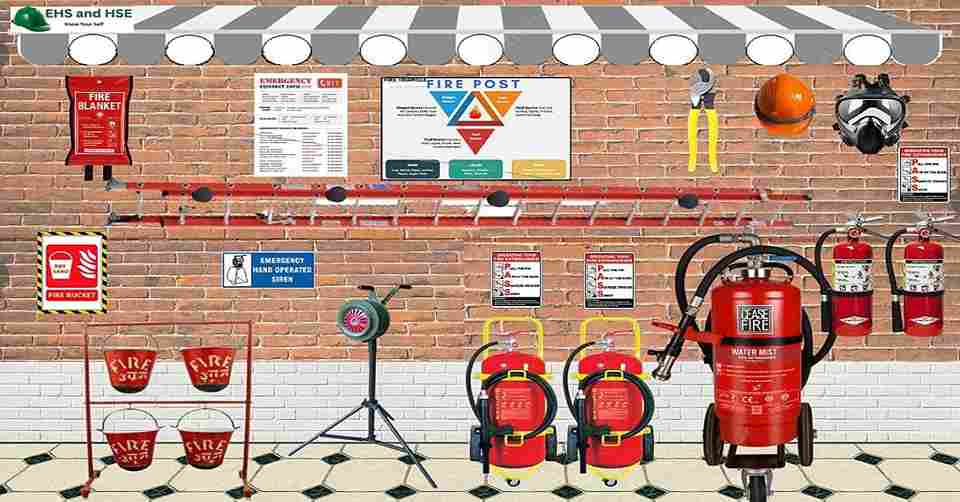
Fire post with neccessory elements.

What is a fire point?

A fire point is a specific place in an industry or multinational company or in an office specified by the EHS department where everything is available which are necessary for a fire emergency. You can also say “The point or place where fire risks and the availability of fire emergency-related equipment are necessary at this point”.

Significance of Fire Points in Fire Prevention

The fire point plays a very important role in fire prevention and control of fire as soon as possible. Fire points are the places where everything is available which used to control fire. Employees know about the fire point location when a fire suddenly appears so employees go to this point and pick the desired element to control the fire on time. Fire points are the first fire safety.

Imagine you are on duty and a fire suddenly appears. You do not have anything to control the fire.

  • First, you go to your locker for personal safety equipment like a safety helmet, mask, etc.
  • Second, go to the MCP (manual call point) and Saron to be aware others about this fire.
  • Then go to the fire extinguisher to control the fire.
    • If you can’t access the fire or you cannot control the fire at an early stage then you need the extra helping equipment to control it.

In these actions, you spend a lot of time that is very dangerous in a fire emergency. Because fire spread in seconds.

With all your safety equipment, fire control equipment, and helping equipment available in a single place, it’s easy and quick to control fire.

Location of Fire Point

The fire post’s location is a very important factor due to ease of access for everyone and near to fire risk places like stores and fuel tanks. The fire point surrounding the area should be clear and marked. The isle mark should be clear and highlighted. You can control the fire at an early stage by using the fire control equipment at the time. The location of the fire point is very important in high-fire-risk areas. Below are high-fire-risk areas of the industry.

  • Petroleum products storage tanks
  • Raw material stores
  • Packing Material Store
  • Waste store
  • Electric main transmission and panels

NOTE

Keep clear the surroundings of the fire point. The isle marking should be highlighted and clear. The route to the fire point should be clear.

🔥 Fire point element.

SnoElement NameCategory
01Self-Contained Breathing Apparatus (SCBA)Personal Safety
02Fire suite Personal Safety
03Safety Helmet Personal Safety
04Gas mask Personal Safety
05Torch / FlashlightPersonal Safety
06MCP manual call pointsBe aware
07Manual saron/ megaphoneBe aware
08Fire buckets.Fire control
09Fire extinguishers (Small size)Fire control
10Fire extinguishers (Large size)Fire control
11Wire cutter/lock cutterHelp Tool
12Fire blanketHelp Tool
13LadderHelp Tool
14FirebeaterHelp Tool
15HookerHelp Tool

Self-Contained Breathing Apparatus (SCBA)

A device is worn to provide breathable air in case of a fire emergency when a fireman controls the fire in a smoky environment. It protects from dangerous gases, and airborne contaminants that may be dangerous to breathe.

Fire suite

A fire suit worn by firefighters during firefighting operations. It, also known as turnout gear or bunker gear, is a type of protective clothing made with specific fire and heat-resistant material.

Safety Helmet

Helmets are used for head safety while working in construction, industries, and where work at height and where head injury risk.

Here are the 6 color safety helmets:
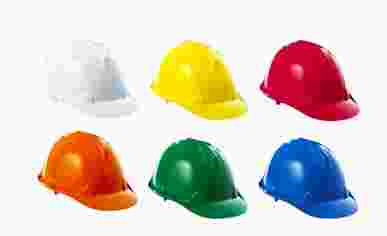
safety elmat wit colour code

Gas mask

A chemical mask protects a worker from hazardous chemical inhalation. Chemical masks used in cases of:

  1. During a fire emergency
  2. During spillage of hazardous chemical
  3. During chemical Handling
  4. While working in a confined space
  5. During evaporation
  6. During work in a chemical store
chemical mask with filter is main element of fire post

Torch / Flashlight

 An angled torch or flashlight can save lives during firefighting operations at night. Because a lot of smoke and dust in the environment in a fire emergency that makes it difficult to see.

MCP manual call points.

The manual call point is a button with a cover of a piece of glass. The button is connected to the emergency alarm system. MCP should be placed near all emergency doors, exit points, and fire points. In case of an emergency, any one of the emergency response team members first press this button to alert all about the emergency.
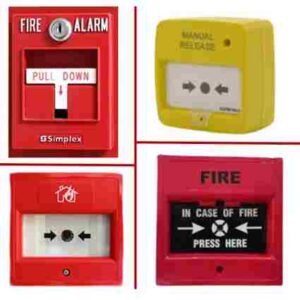
different types of Manual call point boxes placed near fire post

Manual saron/ megaphone

Sometimes during an emergency, the electric system is damaged or needs to be cut off. So, in this case, manual saron and megaphone are the best sources to be aware of all people in an emergency.
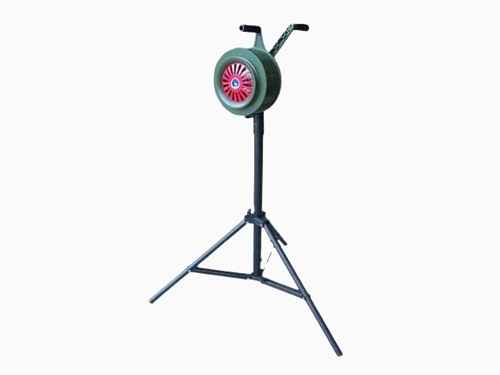
Manual Sairon with hand operate handle fire post element

Fire Extinguisher

A fire extinguisher is a type of cylinder filled with fire control material under high pressure.
There are 5 types of fire control material according to the type of fire.

1. Water Type
3. Foam Type
5. Wet Chemicals

2. CO2 (Carbon dioxide)
4. DCP (Dry Chemical Powder)
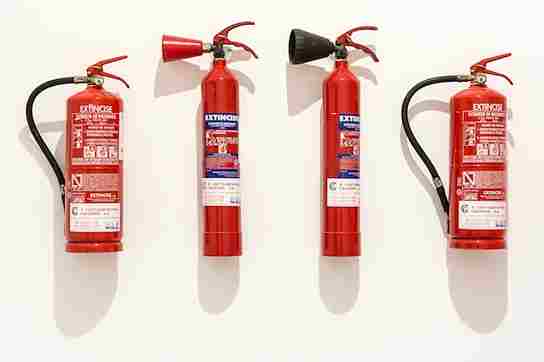
fire extinguisher cylinders with identification neccessory for fire post

Fire buckets

A fire bucket is a bucket filled with dry sand or water. It needs to be used in a fire or spillage emergency.
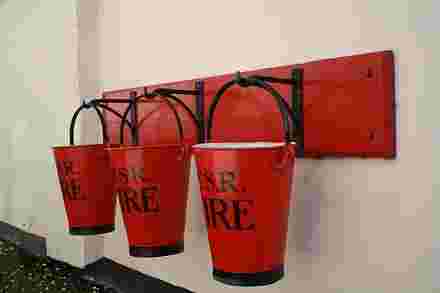
sand and water red buckets stand at fire post

Wire cutter/lock cutter

Wire cutter or lock cutter used during an emergency. Sometimes fire occurs in a room that is already locked or covered with a fence. Then you need to cut the lock and fence wires.

wire cutter with blue handle

Fire blanket

Fire blankets are mostly used during the control of kitchen fires. It is used to control fire when a worker is suffering from fire. It’s also used for covering the human body or burning a car to control the fire by cutting off air or oxygen supply.
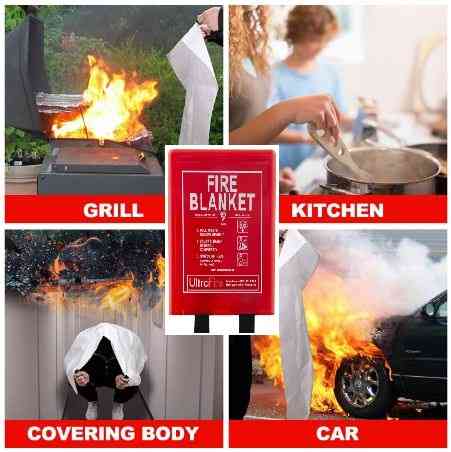
fire blanket and it's used

9. Ladder

It used to climb high-roof buildings for fire fighting and rescue the people. It’s available in different types and sizes in the market.

Fire beater

Fire beaters can be used to put out general fires in open areas when the fire is at an early stage. It is used only in the A-class fire type. It is also used to beat the fire to remove it.

Hooker

A hooker is a stout pole with a metal hooker and head and is especially used during firefighting. It’s used to tear down burning material placed at height. It’s especially used to cut off the material supply to the fire by making the distance between flammable material.

Fire Point Training

Arrange training for all workers about the fire point. Highlight the points

  1. Describe the importance of fire points in the industry.
  2. A detailed description of each element of the fire point is the key point for workers’ training.
  3. How to use the Fire Point element?
    • Train all workers to operate and use elements of fire points.
    • Use elements appropriate for this type of emergency.
  4. Check the safety matrix skills of each worker.
Related Posts

https://ehsandhse.com/industrial-environment-safety

Driving Safety

Driving without safety

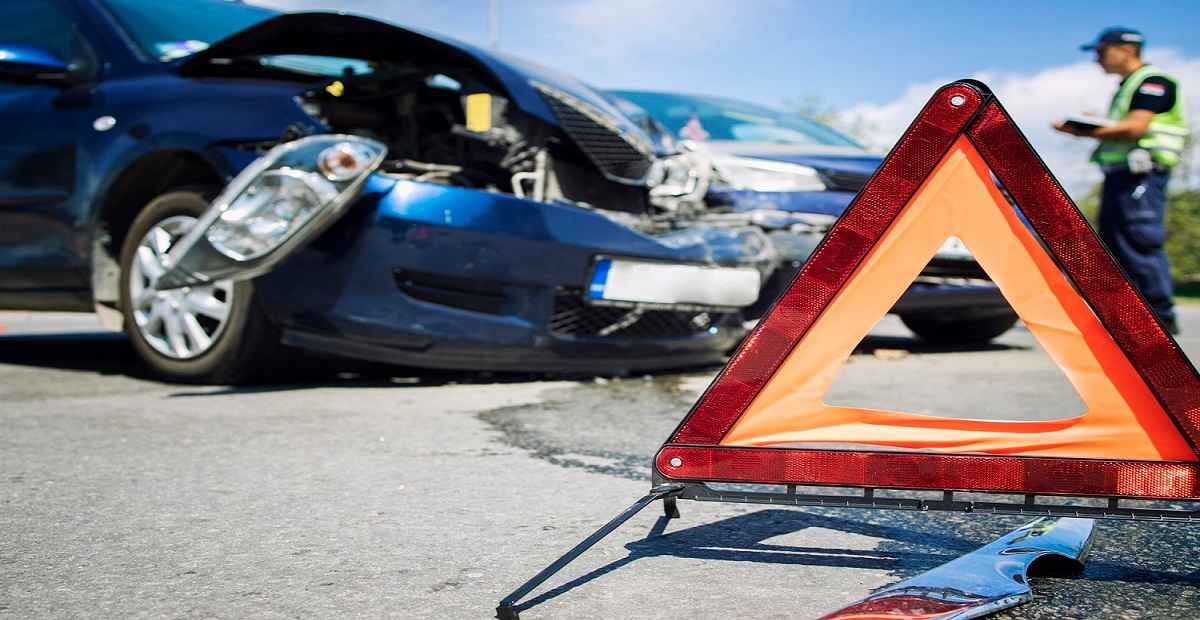
Driving safety/Defensive driving Driving is a very common and important activity then it is important to understand driving safety. Some People are always and continuously in the situation of driving. That’s why most people are affected by road accidents. Every year many people die or are victims of serious injury in road accidents. Some factors … Read more

Drinking Water

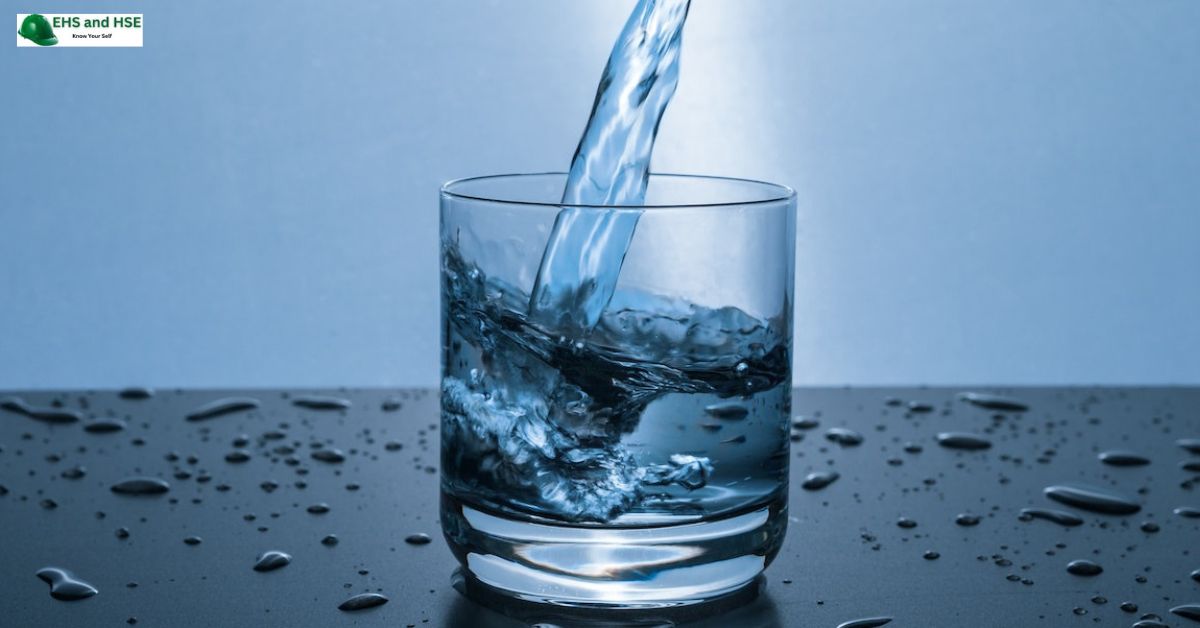
A glass of pure drinking water.

Drinking Water Report

Water is very important for life that’s why ensure that you drink water is a drinking water or enable to drink.

Pure water better life

Water is very important and essential for human life. We can say safe water if have these qualities.

  1. Aesthetically acceptable
  2. Radioactive elements absent
  3. Chemically safe
  4. Free from bacteria
  5. Organic substances absent

Impure Water Bed effects

Problems

  1. Colored water is not acceptable for drinking (Aesthetic as well as toxicity reasons)
  2. Aesthetically not acceptable and Palatability decreases
  3. Health-related problems
    • Affect the mucous membrane
    • Gastrointestinal irritation
    • Dental and skeletal fluorosis
    • Methemoglobinemia
  4. Encrustation in water supply structure
  5. Adverse effects on domestic use
  6. Eutrophication of the waterbody
  7. Taste, discoloration, and corrosion of pipes fittings, and utensils
  8. Promotes iron bacteria
  9. Corrosion in the water supply system
  10. Carcinogenic effect
  11. Toxic effect
  12. Formation of chlorophenols with
  13. Chlorine
  14. Imparts unpleasant taste and odour after chlorination
  15. Water-borne diseases

Constituents Responsible

  • Clay, Silt, Humus, Colour
  • pH
  • Hardness, TDS, Ca, Mg, SO4
  • Fluoride
  • Nitrate
  • Hardness, TDS
  • Ca, Mg, Cl
  • Zoo & Phyto, Phosphate, Nitrate
  • Iron, Mn, Cu, Zn, Alkalinity
  • Fe & Mn
  • pH, Cl
  • Cr, As
  • Cd, Pb, Hg
  • Phenols
  • Oil & grease
  • Bacteria & viruses

Drinking Water benefits for the human body

  • carrying nutrients and oxygen to your cells
  • flushing bacteria from your bladder
  • aiding digestion
  • preventing constipation
  • normalizing blood pressure
  • cushioning joints
  • protecting organs and tissues
  • regulating body temperature
  • maintaining electrolyte (sodium) balance.

Water Report

Possible drinking water chemical report. Direct deep well water sample chemical reports the water can be drunk by humans or animals.

ParameterPEQS
for drinking water
ParameterPEQS
for drinking water
pH6.5-8.5Zinc (mg/l)5
OdorLead (mg/l)<0.05
TasteBoron (mg/l)0.3
TDS (mg/l)<1000Nickle (mg/l)<0.02
Color (TCU)<15 TCUCopper (mg/l)2
Nitrite (mg/l)<3Barium (mg/l)0.7
Nitrate (mg/l)<50Arsenic (mg/l)<0.05
Phenol (mg/l)NGCyanide (mg/l)<0.05
Fluride (mg/l)<1.5Mercury (mg/l)<0.001
Selenium (mg/l)0.01Chloride (mg/l)0.2-0.5
Chloride (mg/l)<250Cadmium (mg/l)0.01
Turbidity (NTU)<5 NTUChromium (mg/l)<0.05
Aluminium (mg/l)<0.2Manganese (mg/l)<0.5
Antimony (mg/l)<0.005Fecal ColiformNG
Total Hardness (mg/l)<500E.coli (efu/100ml)0(efu/100ml)

This possible water chemical report maybe not the same as other area

Emergency Evacuation Procedures for Buildings

Introduction to Evacuation The immediate escape of people away from an area that contains hazards like fire, earthquake, or accidents to lives or property is called evacuation from the building. Evacuation from a building is a critical procedure. The purpose of evacuation policy is to ensure the safety of individuals in the event of an … Read more

HSE and EHS

diffirence between hse and ehs show in this picture.

Introduction of HSE and EHS

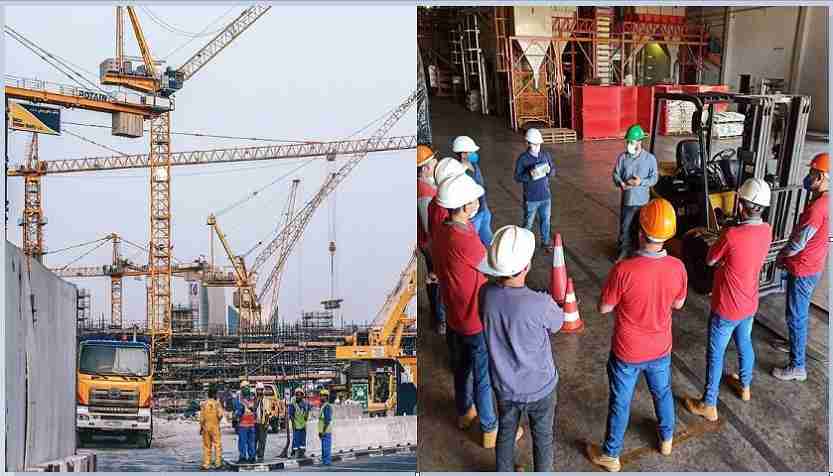
HSE may be a company but my opinion and focus are on an HSE department. This department works on.
1. The health of workers.
2. The safety of workers.
3. The creating a safe and secure environment for workers.

HSE stands for Health, Safety, and Environment

EHS stands for Environment, Health, and Safety

In the industry and construction sites.
All multinational and well-known companies have HSE departments. All construction companies have a department. However, some companies hire a department for a specific site or a project. HSE is not a parament with a construction company.

Difference between HSE and EHS.

EHS is a department in the industry that deals with working in a safe and secure environment for workers. And workers’ health issues and the safety of workers.  EHS is a department of industry or a multinational company. EHS is a permanent department. And work on the Environment, health, and safety of workers. 

Organizations and Government Works on HSE and EHS

Duties of Safety Departments

QHSE (Quality, Health, Safety, and Environment)

Quality, health, safety, and environment. QHSE (Quality, Health, Safety, and Environment) is a comprehensive management system that focuses on ensuring the quality of products/services, protecting employee health and safety, and minimizing environmental impact. It involves policies, procedures, and continuous improvement efforts to enhance overall organizational performance while maintaining ethical and sustainable practices.

HSEQ, (Health, Safety, Environment, and Quality)

HSEQ, which stands for Health, Safety, Environment, and Quality, is an integrated management approach that prioritizes the well-being of employees, environmental sustainability, product/service quality, and safety standards within an organization. It encompasses policies, processes, and continual improvements to achieve excellence across these critical areas.

HSSE (Health, safety, security, and environment)

Health, safety, security, and environment. HSSE, an acronym for Health, Safety, Security, and Environment, represents a holistic approach to managing risks and responsibilities within organizations. It encompasses safeguarding employee well-being, ensuring safety and security, protecting the environment, and maintaining compliance. HSSE programs aim to create a culture of responsibility and sustainability in the workplace.

Duties of employees about PPE.

The EHS and HSE also place the following duties on employees before start work.

1. PPE must be worn and use the instructions provided to them.
2. Employees must ensure that PPE is returned to the provided accommodation after use. Unless the employee takes the PPE away from the workplace, footwear, or clothing.
3. PPE should be returned to the appropriate storage unit (if applicable). After use unless the employee takes their PPE home, for example, footwear or clothing.
4. PPE must be examined before use.
5. Any loss or obvious defect must be immediately reported to their line manager.
6. Employees must take reasonable care of any PPE provided to them. And not carry out any maintenance unless trained and authorized.

Responsibilities of ERT members during an emergency.

Related Posts

EHS Policies and Audits

Emergency Exit Doors and Fire Exit Doors

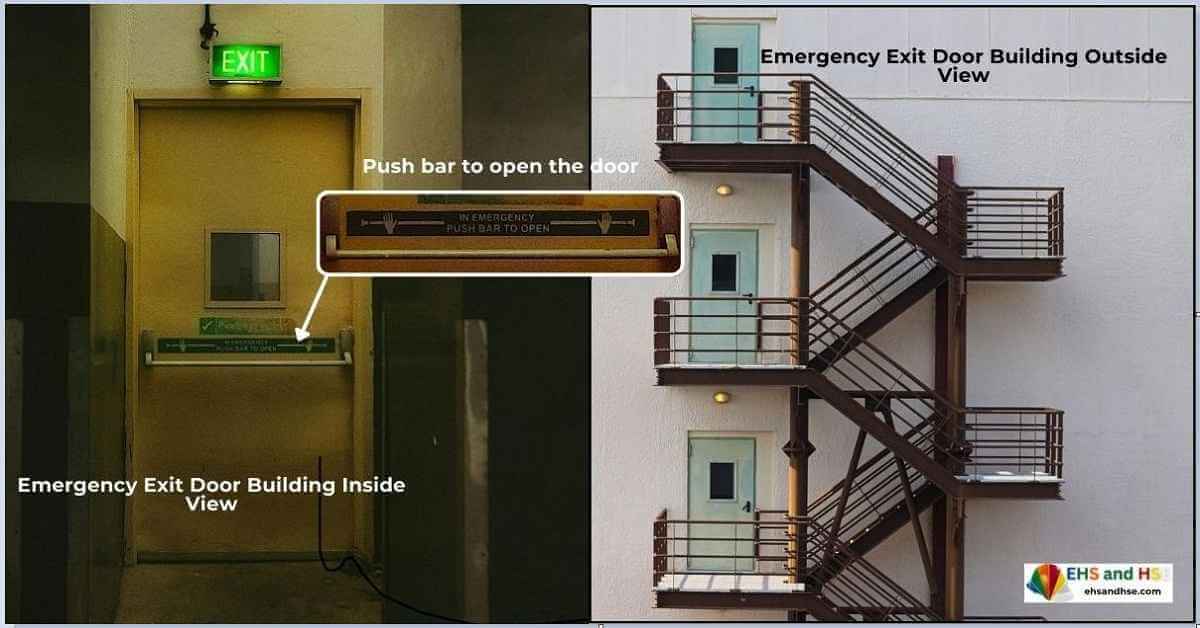
Emergency Exit Door inside and outside view.

Standards for Emergency Exit Doors According to OSHA standards, an emergency exit door must be at least 28 inches wide at all points and height at least 7 feet, 6 inches. These doors are also called Fire Exit Doors Purpose of the Emergency Exit Door Emergency Exit Doors are required to meet all safety standards … Read more

Lock Out Tag Out Procedures for Industrial Safety

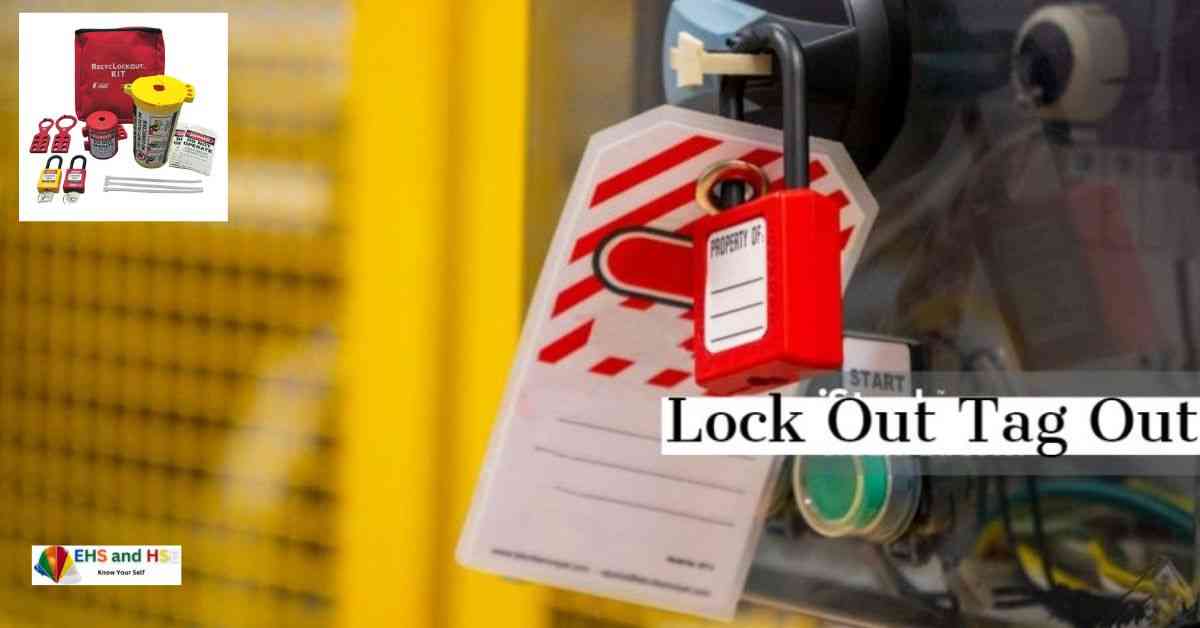
lock out tag out kit

What is the Lock Out and Tag out (LOTO)?

Lock out tag out (LOTO) is a procedure, that applies to the machine before starting maintenance on the machine. in this procedure, cut off or close all power sources and hang relevant instruction tags on all power sources to make the machine safe for maintenance and engineering work.

As you can understand, lock-out and tag-out are two words. If the equipment is locked at a close position it means Lock-out. Anyone can’t change the position of this equipment without the key. Second, hang the instruction tag at the lock. Instruction shows why locked this equipment and anyone can’t try to change the position of this equipment. Tag-out warnings to employees not to use this equipment.

Importance of Lockout Tag-out

When mechanics work at the machine they shut off the machine they do not lock out and tag out the machine. In this case, other people who don’t know about mechanics activity at the machine. They switch on the machine this is very dangerous for mechanics. A safety process is very necessary to prevent incidents like this.

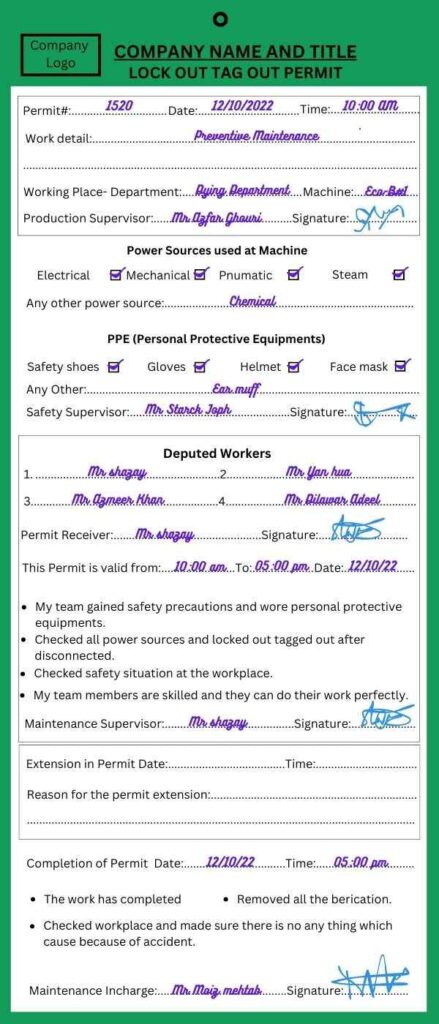
Permit to lock out tag out

Work Permit Template

Logo and Title
Company Logo and Company Title with the type of permit placed at the top.

Management Section
They are mostly managed by the cooperation of engineering and production management.

Power Sources and Safety Checklist
A safety supervisor checks and ensures the lock of all power sources and tags all locks.

Deputy Worker
This section is only related to Engineering Management. A supervisor checks and signs it.

Extension of Permit Date Engineering management fills this section if maintenance is not completed. In case of any reason. The extension date, time, and reason should be mentioned on it.

Permit Completion Maintenence supervisor checks the maintenance and signs after the permit

Important Note: Permit filling name is temporary not expected name. If any name matches the actual name I apologize.

LOTO kit

Procedure / Training

  1. Prepare for shutdown or maintenance
    • First, inform the machine or device-related department like processing, boarding, or finishing. Manage maintenance time and date with the supervision authority of this department.
  2. Notify all employees of the activities and equipment involved.
    • Notify all employees about machine or equipment maintenance or shutdown. Inform about the date and time. Because any worker doesn’t start the machine during maintenance. This is very important for the safety of workers and machines.
  3. Shut down the equipment.
    • Shut off the power of the machine and all power sources. Shut off the main electric breaker, close the steam inlet valve, close the compressed air valve, and close the water inlet valve.
  4. Isolate the equipment from the hazardous energy source.
    • Close all energy sources of the machine or equipment.
      • 1. Electrical power
      • 2. Mechanical Power
      • 3. Steam power
      • 4. Compressed air
      • 5. Hydraulic power
  5. Dissipate residual energy.
    • Dissipate residual energy like steam and compressed air stored in pipes, tanks, and heat exchangers.
  6. Apply applicable lockouts or tagout devices.
    • Properly lock out all valves and devices after closing them. And tag them with related information tags.
  1. Electrical Power
  2. Mechanical Power
  3. Steam Power
  4. Pneumatic Power
  5. Chemical Power

1. Electrical Power lock

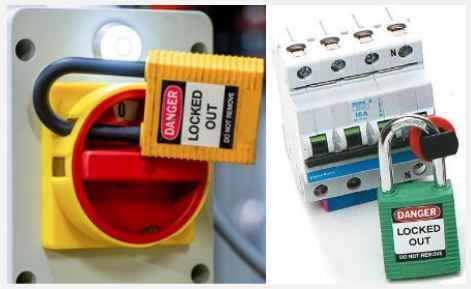
Shut off the electrical breaker then insert the lock device pin through the breaker’s body hole and breaker’s knob hole. If the device controls the knob motion then you should lock the device with a padlock.

electric breaker off and then locked

2. Mechanical Power

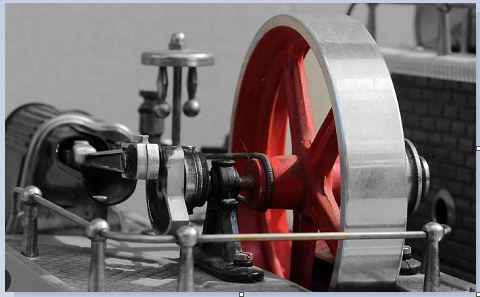
Mechanical power means the motion of the flywheel, gearbox, and stored power. Stored power can cause the reason for the movement of machine parts. ensure that the machine stops before starting work.

flywheel with mechanical power

3. Steam Power

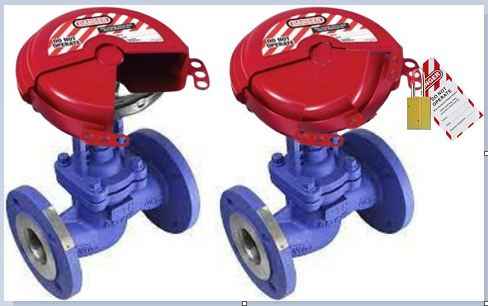
Steam power is also a very dangerous power source. For the main steam line, mostly use the globe valve for the steam connection. Close the steam power valve gently. Fit the globe valve cover device and lock the device. The device’s sides have holes for the padlock rod.

globe valve lock out tag out

4. Pneumatic Power

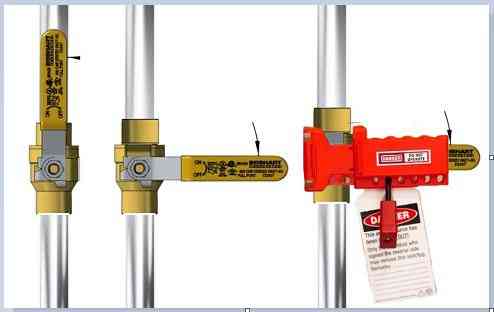
If Ball valves or any other type of valve is used in the pneumatic line. Close the valve. Subsequently, close the device at the handle of the ball valve at a valve close position. The device controls the movement of the valve handle. then lock this device and hang a tag at the lock.

ball valve lock out tag out

5. Chemical Power

Chemical power is only used in a specific type of machine. The machines which have dye, bleach, wash, and chemical processes use chemical power. Close the valve of the chemical line, lock it out and tag it. Ball valves are used in chemical lines.

Close Water Supply

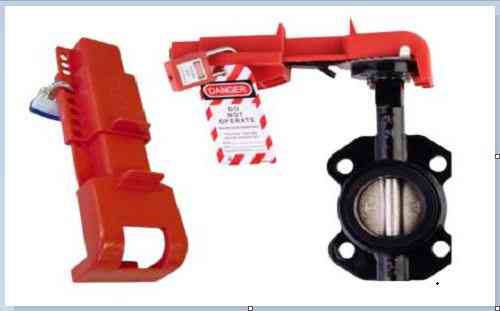
A butterfly valve or any other type of valve first closes the valve. During the lock-out and tag-out process, close the main supply line of water. The butterfly lock-out device is the same as the ball valve lock-out device.

Lock out Tag out locks

Related Posts

Workplace Risks and their control. Risk Assessment document

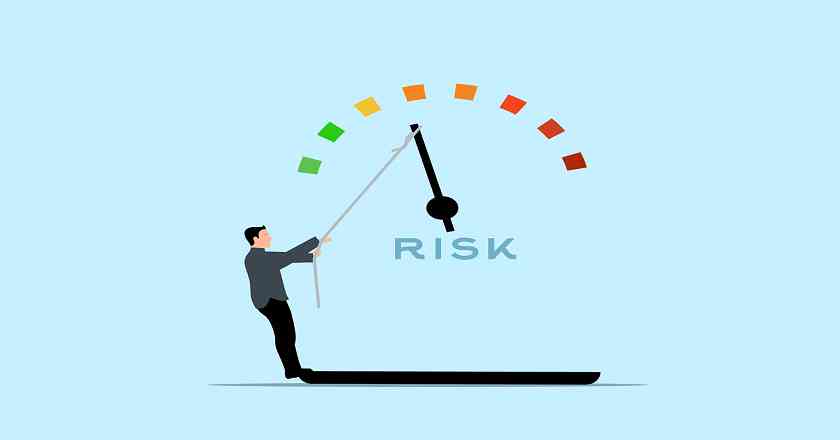
a man control risk dial

What is a risk assessment? The mishaps that can occur while we are performing an activity are called risks. A document designed according to the workplace risks associated with the activities is called a risk assessment. Identify the risks in the workplace that can be according to workplace conditions, equipment, and nature of the activity. … Read more