A Comprehensive Guide to Working in Confined Spaces

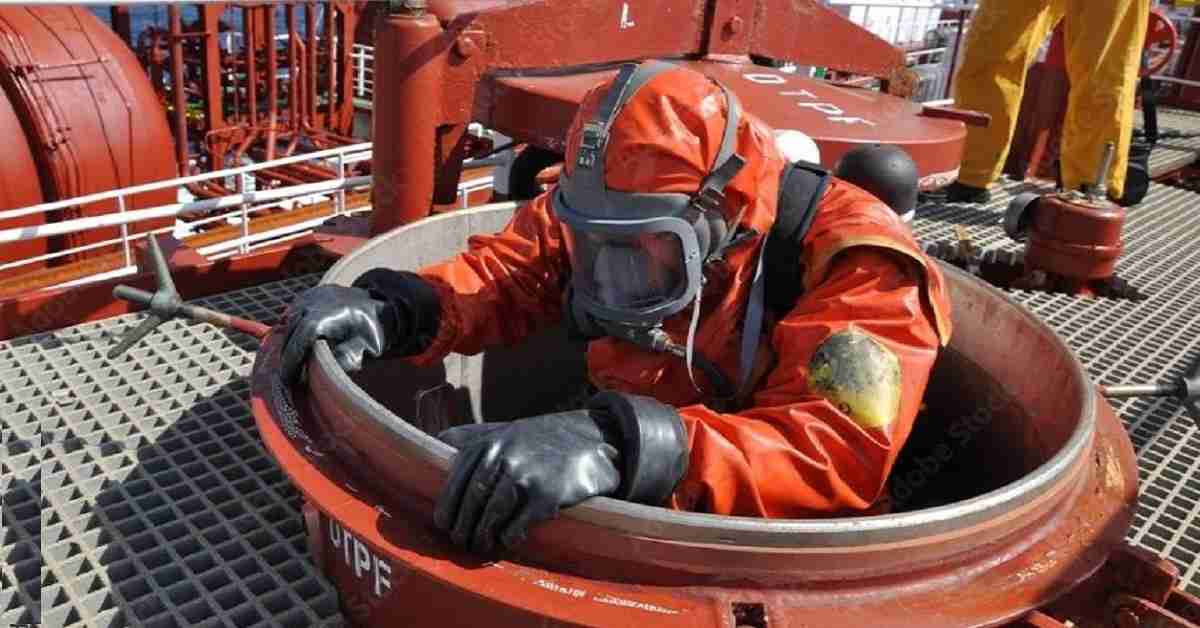
a worker coming out fron confined space as A Comprehensive Guide to Working in Confined Spaces guideline.

Confined Space Definition

A closed space where one has to breathe with difficulty is called a confined space. The narrow space where the entrance and exit points are single is called a confined space like tanks, trenches, and underground central holes. Limited space is not only underground tanks or tranches, above storage tanks and narrow spaces are also in the confined space category. When you need to work in a confined space “A Comprehensive Guide to Working in Confined Spaces” is essential.

Criteria of confined space

  1. Limited openings for entry and exit, according to workers.
  2. The space is not intended for continuous human occupancy.
  3. The space is large enough for you to enter and conduct work easily.

Types of confined space

Society

  • Tunnels
  • Underground Main Hols
  • Underground Water Tanks
  • Above Storage Tanks

Construction Site

  • Water storage Tanks
  • Basement
  • Elevator/Lifts ways
  • Subcellars
  • Culverts

Industries

  • Cable Trunchs
  • Underground Water & Chemical tanks
  • Underground HVAC Trunchs
  • Cold Storage
  • Boiler
  • Vessels
  • Chimny

Understanding the Risks of Working in Confined Spaces

“A Comprehensive Guide to Working in Confined Spaces” refers to Understanding the Risks of Working in Confined Spaces. and listing these risks and their remedies. Make a list that has types of risks, remedies, and applications, and name it “Risk Assessment Form”.

  1. Configuration Risks
  2. Biological Risks
  3. Physical Risks
  4. Atmospheric Risks

Gases and their proper ventilation

EHS and HSE-trained workers check Gases inside the confined space with the help of available modern apparatus.

  1. Starting point
  2. Middle point
  3. Bottom point

Main Gases

GasSafe level
Oxygen (O2)19.5%-23.5%
Carbon Monoxide (CO)
Hydrogen Sulfide (H2S)10ppm-15ppm
Methane (CH4)
Nitrogen (N2)78.084%
Carbon dioxide (CO2)0.035%
Argon (Ar)0.934%

Combustible gases

Ventilation System

A confined space should be ventilated continuously for 24 hours with the help of a ventilation blower before starting work in the confined space.

Confined space Work Permit.

A work permit is essential to do the desired work. A work permit is permission from EHS, HSE, and the management department to do work. Work Permit issued after checking of gases in confined space to make work procedure safe.

Confined Space work permit template

Logo and Title:
Company Logo and Company Title with the type of permit placed at the top.

Management Section:
Mostly managed by the co-operation of the engineering and production management.

Detailed Worker:
This section is only related to Engineering Management. A supervisor checks and signs it.

Power Sources and Safety Checklist:
A safety supervisor checks and ensures the lock of all power sources and tags all locks.

Extension of Permit Date:

Engineering management fills this section if maintenance is not completed. In case of any reason. The extension date, time, and reason should be mentioned on it.

Permit Completion:

The maintenance supervisor checks the maintenance and signs after the permit.

Important Note: Permit filling name is temporary not expected name. If any name matches the actual name I apologize.

Essential Equipment for Safe Operations in Confined Space

  1. Try Port
  2. Rope to Try port
  3. SBA (Self Breathing Apparatus)
  4. Full Body Harness
  5. Air Blower

Breathing system and apparatus

Signs of Confined Space.

Work procedure step by step.

When starting to work in a confined space, the EHS team visits the location. Create a risk assessment form to find out risks and remedies for safe working. Provide appropriate PPEs for the risk. Bericate the area around the entrance hole. We can divide this procedure into three sections. 1. Before starting work. 2. During work. 3. End of work.

1. Before Starting Work

  1. Management: First, inform all related departments about work in a confined space. Discuss the problem and why we need to work in this confined space.
  2. Work Order: Get a work order designed by a confined space-related department. A work order is a checklist of work that needs to be done.
  3. EHS Department: Make empty the confined space to work in. A trained EHS worker goes inside the confined space to check the gases and breathing difficulties in the confined space. Gases check procedure. Close all valves of lines to the confined space and lockout and tagout them. Switch off all electrical devices, like pumps, gauges, and levels, and lockout and tagout them.
    • Starting Point: Starting point is the entrance point in the confined space. Firstly, check the gas level at the starting point of the confined space.
    • Middle Point: The middle point is the middle of a confined space. Secondly, check gases level in the middle of the confined space.
    • Bottom Point: The bottom is the end point of a confined space. Then, check the gases at the end point of the confined space.
  4. Work Permit: Get a work permit to perform the work in a confined space safely. Ensure the list of gases mentioned in the work permit is at a normal level. And confined space is suitable for work in the confined space.
  5. Essential Equipment: Complete the essential equipment list and check the equipment’s condition before starting work. Ensure all types of equipment are in good condition and suitable for use.

2. During Work in a confined space

  1. Wear Appropriate PPEs: When you enter a confined space, wear appropriate PPEs and check PPEs’ condition and proper functionality.
  2. Safety Precautions: Bericate the entrance point area around 10 feet in a circle with bericate tape. Fix the trial port at the entrance point of the confined space. A rope role around try port’s wheel and the end of the rope is fixed with the full body harness of the entrant, who works in the confined space. The other end of the rope should be held by the Attendant, who stands at the entrance point of the confined space for the help of the entrant in case of an emergency.
    • The Entrant: A person who works in a confined space.
    • Attendants: A person who is stationed outside one or more confined spaces.
  3. Duty of Attendant: The attendant monitors the authorized entrants and performs specific duties. His duties are assigned in a written permit-required confined space.
    • The attendant holds the rope that is linked with the full-body harness of the entrant.
    • He pulls the rope gently after every 10 minutes to take the signal from the entrant.
    • He should be ready to help entrants in case of an emergency.

3. After complete work

  1. Work Satisfaction: Check the work quality and requirements done by the entrant. Some confined spaces work check after high pressure, liquid filling, and under workload.
  2. No Abnormality: Monitor any abnormalities after compliance work. If found any abnormalities then immediately rework it.
  3. Remove Safety: Remove lockout and tagout from valves and pumps. Open valves and switch on pumps. Check compliance work satisfaction. Remove bericate tape.

“A Comprehensive Guide to Working in Confined Spaces” gives proper guideline till complete the work and some safety points for checking after the work.

Emergency Response Planning and Rescue Procedures in Confined Spaces

A Confined Space Emergency Response plan is essential when deciding to work in a confined space. Some points as an emergency plan checklist:

  1. Emergency Response Team (ERT) members should be present.
  2. Mobile stature should be available.
  3. All equipment should be available appropriate for the types of emergency according to confined space.
    • Fire blankets and fire extinguishers for fire emergencies.
    • SCBA (Self-Contained Breathing Apparatus) for suffocation emergencies.

7 Phases of Rescue Operations in confined space

  1. Scene Size-Up: Manage the team for emergency work and give them tasks.
  2. Hazard Control: Control of the hazards for all workers and rescue team safety present at the scene.
  3. Patient Access: Get access to the patient who is in the confined space and seek help.
  4. Medical Treatment: First Aider access to the patient and give medical treatment to the patient.
  5. Disentanglement: Liberate the patient from this situation.
  6. Patient Packaging: A special format of stature or straight wooden plank should be used for the packaging of patients for transfer patients.
  7. Patient Removal/Transport: Transfer the patient from a confined space to a safe place gently and carefully.
HSE and EHS

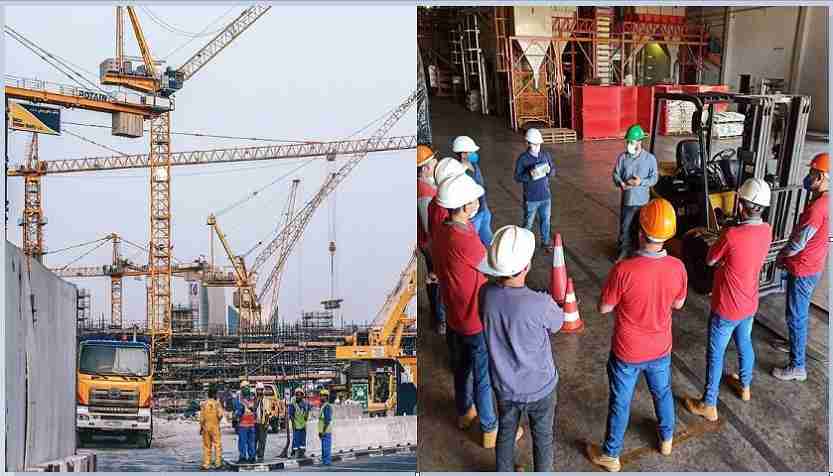
diffirence between hse and ehs show in this picture.

Introduction of HSE and EHS

HSE may be a company but my opinion and focus are on an HSE department. This department works on.
1. The health of workers.
2. The safety of workers.
3. The creating a safe and secure environment for workers.

HSE stands for Health, Safety, and Environment

EHS stands for Environment, Health, and Safety

In the industry and construction sites.
All multinational and well-known companies have HSE departments. All construction companies have a department. However, some companies hire a department for a specific site or a project. HSE is not a parament with a construction company.

Difference between HSE and EHS.

EHS is a department in the industry that deals with working in a safe and secure environment for workers. And workers’ health issues and the safety of workers.  EHS is a department of industry or a multinational company. EHS is a permanent department. And work on the Environment, health, and safety of workers. 

Organizations and Government Works on HSE and EHS

Duties of Safety Departments

QHSE (Quality, Health, Safety, and Environment)

Quality, health, safety, and environment. QHSE (Quality, Health, Safety, and Environment) is a comprehensive management system that focuses on ensuring the quality of products/services, protecting employee health and safety, and minimizing environmental impact. It involves policies, procedures, and continuous improvement efforts to enhance overall organizational performance while maintaining ethical and sustainable practices.

HSEQ, (Health, Safety, Environment, and Quality)

HSEQ, which stands for Health, Safety, Environment, and Quality, is an integrated management approach that prioritizes the well-being of employees, environmental sustainability, product/service quality, and safety standards within an organization. It encompasses policies, processes, and continual improvements to achieve excellence across these critical areas.

HSSE (Health, safety, security, and environment)

Health, safety, security, and environment. HSSE, an acronym for Health, Safety, Security, and Environment, represents a holistic approach to managing risks and responsibilities within organizations. It encompasses safeguarding employee well-being, ensuring safety and security, protecting the environment, and maintaining compliance. HSSE programs aim to create a culture of responsibility and sustainability in the workplace.

Duties of employees about PPE.

The EHS and HSE also place the following duties on employees before start work.

1. PPE must be worn and use the instructions provided to them.
2. Employees must ensure that PPE is returned to the provided accommodation after use. Unless the employee takes the PPE away from the workplace, footwear, or clothing.
3. PPE should be returned to the appropriate storage unit (if applicable). After use unless the employee takes their PPE home, for example, footwear or clothing.
4. PPE must be examined before use.
5. Any loss or obvious defect must be immediately reported to their line manager.
6. Employees must take reasonable care of any PPE provided to them. And not carry out any maintenance unless trained and authorized.

Responsibilities of ERT members during an emergency.

Related Posts

EHS Policies and Audits

Workplace Risks and their control. Risk Assessment document

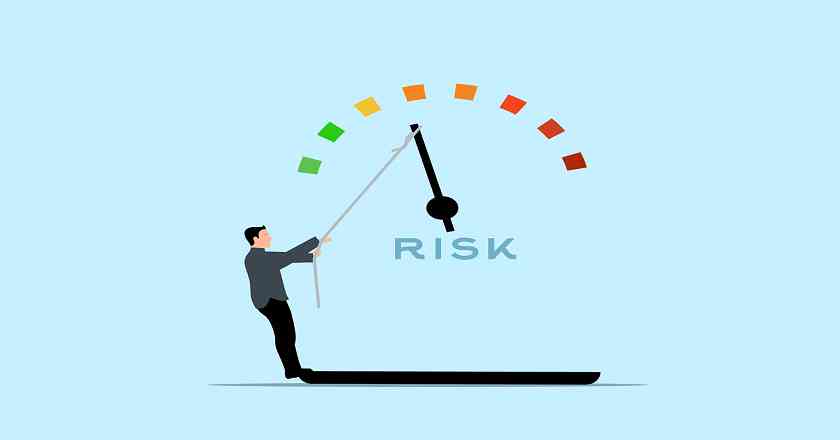
a man control risk dial

What is a risk assessment? The mishaps that can occur while we are performing an activity are called risks. A document designed according to the workplace risks associated with the activities is called a risk assessment. Identify the risks in the workplace that can be according to workplace conditions, equipment, and nature of the activity. … Read more

Working at Height safety

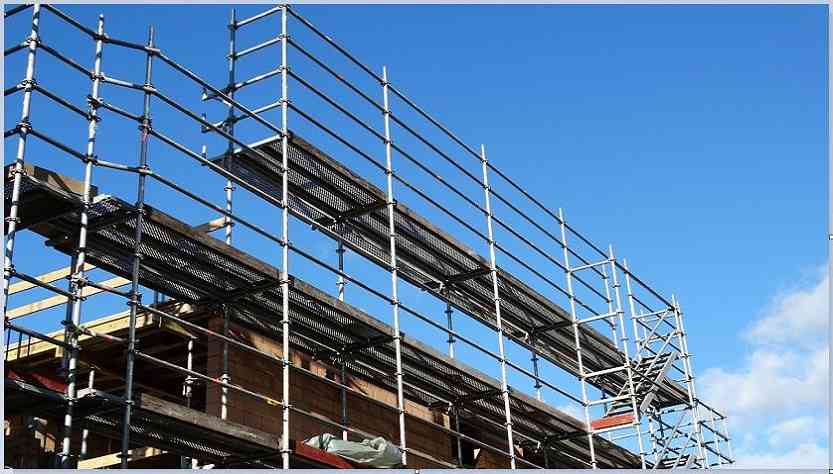
scaffold installed at construction site for work at height

When you work more than 6 feet or 1.8 meters from the ground level and you need to climb with a helping tool to perform the work, it is called work at height.

Common Hazards

  1. Falling From height
    • A full-body harness is the best PPE to protect against falls from height.
  2. Falling Objects
    • Safety Helmet is the best PPE to protect the head from falling objects
  3. Insufficient PPEs
    • Always wear complete personal protective equipment to protect yourself from any type of hazard related to your body attachments.
  4. Ladder collapse
    • Before starting work, always check the ladder’s condition, installation position, and angle with the wall or any other object where the ladder is attached.
  5. Unstable working surface
    • Make sure your work surface is stable and easy to work on.
  6. Equipment failure
    • If the equipment you use while working fails, you should have an alternative piece of equipment that you can use in an emergency.
  7. Inadequate edges
    • Safety gloves and your tight working dress can protect you from inadequate edges.
  8. Scaffolding collapse
    • There are many reasons for the collapse of scaffolding. So each safety point should be checked before using scaffolding.
  9. Improper ladder positioning
    • Always install a leader under the working point so you can work with your comfortable body position.
  10. Overconfidence
    • Overconfidence can cause mistakes that are not acceptable while you work at height.

Other Hazards

  1. Weather and wind speed
  2. Fragile roofing
  3. Overload Ladders
  4. Lack of training
  5. Improper body position
  6. Work experience
  7. Height phobia
  8. Work Duration

Wind Speed

According to the Health and Safety Executive (HSE), if the wind speed is above 23 MPH (10.3 ms or Beaufort scale 5), it’s likely that a worker could lose his balance.

Personal Safety

Safety is very important when you work at a height. Because there are so many risks and hazards associated with working at height.

  1. Workers should not be the patients of height phobia.
  2. The workers should be happy and in a good mood.
  1. Safety helmet
    • All parts of the safety helmets like the shell, harness, harness fixing, headband, sweatband, peak, and chin strip should be in good condition.
  2. Safety shoes
    • Safety shoes should be in good condition and there should be no chance of slipping.
  3. Full body harness
    • (Full body harness is a very necessary PPE while working at height)
    • All the parts and belts of the safety harness should be in good condition.
  4. Safety gloves

Here are some safety harnesses according to work conditions.

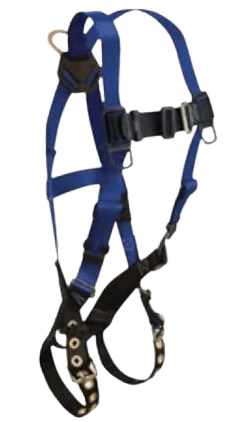
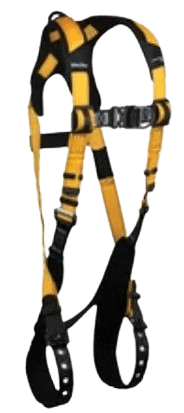
Fall Arrest
fall arrest body arness for safe working at height
Ascending/Descending
Ascending/Descending body harness for adjustable according to use.
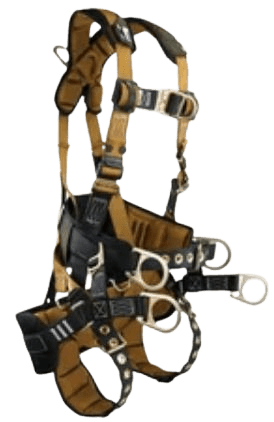
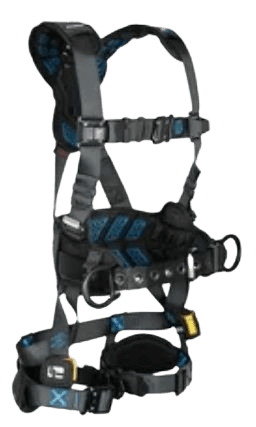
Rescue/Confined space
Rescue and Confined space body harness.
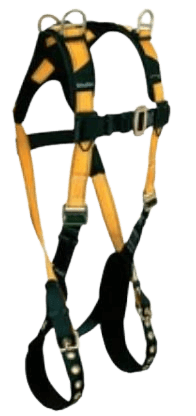
Climbing
Climbing body harness for safe working at height
positioning
positioning body harness for safe working at height at a spacific position.
  • 1. Dorsal D-Ring for Fall Arrest.
  • 1. Sternal D-Ring for Fall Arrest. 
  • 1 Ventral D-Ring at waist level for Rope Access work
  • 2 Lateral D-Rings for Work Positioning.

According to OSHA Standard

  1. (4)Four feet in general industry workplaces
  2. (5)Five feet in shipyards
  3. (6)Six feet in the construction industry
  4. (8)Eight feet long shoring operations

Scaffolding is necessary for work that is performed at over 4 meters height.

  1. When you work at height use a scaffold or other safe source.
  2. Scaffolding pipes and clamps should be in good condition and not over-rusted or damaged.
  3. The base plate of the scaffold should be a hard surface. The surface should be able to carry the weight.
  4. The scaffold links should be in good condition and the nuts and bolts should be tightened properly.
  5. Fit the scaffold with the proper height-to-base ratio, the ratio is 4:1.
  6. Fit cross pipes with the proper shape of clamps to control the angular movement of the scaffold.
  7. The scaffold climbing frame should be in good condition and the gap between pipes should be proper for safe climbing.
  8. The sliding bar should be installed at 8 feet from the working platform of the scaffold. Other than 2 feet higher than a worker’s height.
  9. If the scaffold links are not properly tight or the clamps slip then make some welding spots on pipes under the clamps to prevent them from slipping.
  1. A wooden piece fit for support should be at the end edge of wooden planks to prevent slipping of wooden planks.
  2. The thickness of wooden planks should be according to the wood’s strength.
  3. The width of the wooden planks should be no less than 1 foot.
  4. There should not be knots and cracks on wooden planks and no paint. Because paint covers the knots and cracks that are not safe.
  5. There should be no bending or misalignment on wooden planks.
  6. There should be no gap of more than 1 to 2 inches between wooden planks. The planks should be parallel.
  7. The planks should be parallel.
  8. Try not to use seasoned wood planks. Because the seasoning process decreases the strength of the wood.

Posts related to Work Permits and Types

The Importance of PPE and Its Uses

PPEs with safety belt

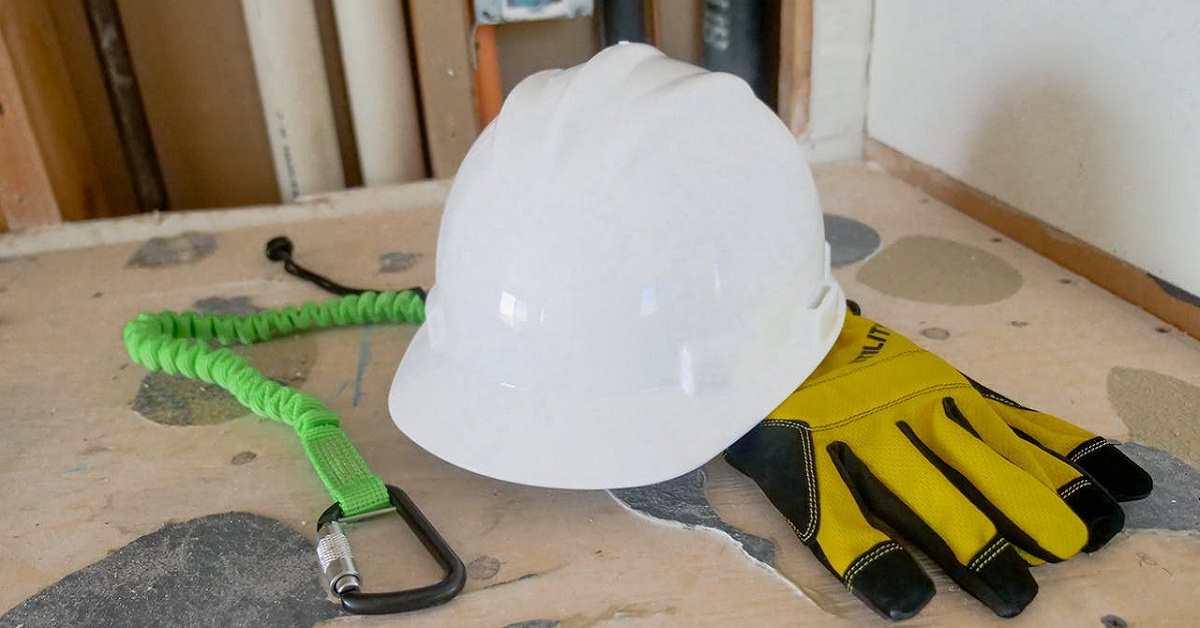
The importance of PPE and its uses is to improve occupational safety. It is important to know about the personal protective equipment PPE and its uses. Always remember “Be first safe then work”. Safety is important for each work and the responsibility of each worker. A worker doesn’t have to know how to complete this work. It’s important to know how to complete the job safely so that the workers can save themselves and others from hazards.

  • Systematic Approach: Ensures all potential hazards are reviewed.
  • Customization: Allows tailoring to specific industries or jobs.
  • Compliance: Helps meet regulatory requirements (e.g., OSHA standards).
  • Efficiency: Streamlines PPE selection and training processes.

By following the matrix, employers can ensure that their workers are adequately protected while promoting safety and compliance in the workplace.

Specifically, when we work in a factory we face many hazards like acidic liquids, hazards of machines, and fire hazards. In this case, if we do not use PPE it could be dangerous for us and cause death or serious injury. Our body parts could be partially or completely affected.

When we discuss PPE and its uses, showing details of PPE is very necessary

Our head is the most sensitive and fragile part of our body. Serious injuries to the head can cause death. In workplaces where hazards of something falling, something hitting, and standing or sitting in narrow spaces can cause a head injury, the helmet is very necessary in these cases. Make it your habit while working in hazardous places.
(For more details about safety helmets)

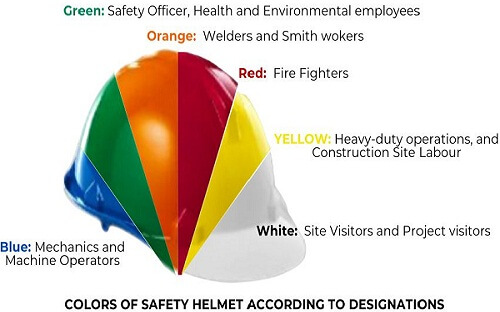
safety helmets colors code according to designation

In all places where hazards of fluff, dust, and smoke, the face mask is very necessary.
In all places where hazards of dangerous gases, chemical vaporization, and fumes, the gas mask is very necessary.
There are two types of gas masks:
1. Full face mask 2. Half face mask.
(for more details about masks)

While working on machines always wear fitting, coverall, and active wear clothes. A loose dress can be dangerous while working on a machine that has moving parts. For this type of work, always wear the company’s recommended dress. (For more details about coverall)

That’s why our hands are more related to our work so our hands face more hazards and could be injured. The hazards that affect our hands like sharp edges, crashes between two parts, burning by heat, chemical reactions, and electric shocks are common in industries and homes. To protect our hands from these hazards, use appropriate gloves according to the work. (For more details about safety gloves)

While working to protect your foot from the hazards of hitting parts and pouring hot melts and chemical hazards, always wear safety shoes. There are several types of safety shoes according to workplace risk assessment there are available in the market.
1. Metal toe shoes for mechanical work
2. Long rubber shoes for chemical work
3. Rubber shoes for electric work
(For more details about safety shoes)

While we are working, our eyes continuously open and focus on the working point, that’s why our eyes face some serious hazards. Always wear safety goggles or face shields, which should be used according to work conditions. Like:
1. Face shield or colored goggles for welding work
2. Closed goggles for chemical handling
3. Face shield for grinding and cutting
(For more details about spectacles and goggles)

In a workplace where the noise and noise can affect the ears, the ear plug or ear muff is very important to wear. If the noise frequency is 85 decibels then ear plugs and ear muffs are necessary to wear. The ear plug or ear muff is recommended by the doctor after Audiometric tests.
(For more details about ear plug/ear muff)

A safety belt is a specific-shaped belt cross with a long strap with a metal hook. While working at more than 6 feet in height, the hook is gripped to a stationary bar or other object for safety in case it slips. It saves the worker from falling to the floor. The length of the belt should be less than your height. (For more details about safety belts)

In workplaces where there is less oxygen and the risk of hazardous gases, SCBA is very necessary for workers for artificial breathing. For example, storage tanks, trenches, ducts, vessels, etc. SCBA saves the worker from some unexpected incidents. (For more details about SCBA (Self-Contained Breathing Apparatus)

PPE means Personal Protective Equipment. PPEs are physical objects that you use to protect yourself from hazards. PPEs protect your body parts while working in hazardous workplaces. Safety helmets protect your head, safe shoes protect your feet and gloves protect your hands. The importance of PPE and its uses are described in detail above.

4 types of PPE to protect your main 4 body parts.

  1. Safety helmet for head safety.
  2. Safe shoes for foot safety.
  3. Gloves for hand safety.
  4. Goggles/face shield for eye safety.
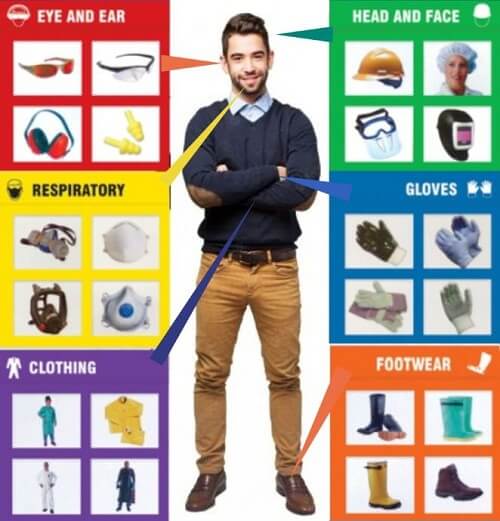
A worker highlights body parts according to PPEs for related body part.

Personal Protective Equipment (PPE) are items you can wear/use to protect your body against various hazards. Without PPEs, any incident can affect your body in case of injury or disability. PPEs are important because they prepare you for health and safety risks and give you extra protection and mental satisfaction in the event of an accident or against the elements.

The OSHA standard 29 CFR 1910.132 presents PPEs for industry workers

OSHA (Occupational Safety and Health Administration) according to regulation 29 CFR 1910.132. PPEs are very essential in the general industry for the protection of employees. PPE and its user training are also held by OSHA.

  1. Construction Site Workers PPEs
    • Safety helmet, safety shoes, gloves, masks, Harness.
  2. Chemical worker PPE.
    • face shields, gloves, glasses, goggles, gowns, head coverings, masks, respirators, or shoe covers.
  3. Machine Operator PPEs
    • gloves, glasses, goggles, gowns, helmets, masks, respirators, or shoe covers.
  4. Mechanical worker PPEs
    • Cotton gloves, Safety helmets, Safety shoes, and masks.
  5. Hot work PPEs
    • face shields, welding gloves, welding goggles, masks, and safety shoes.
  6. Grinding work PPEs
    • face shields, gloves, glasses and goggles, masks, and safety shoes.
  7. Electrical worker PPEs
    • Electric gloves, Rubber mate, Rubber shoes, masks.

PPE (Personal Protective Equipment).

  1. Safety shoes
  2. Safety helmet
  1. Face Shield
  2. Glasses and goggles
  3. Black glass welding face shield
  1. Start wearing safety shoes.
    • Don’t wear torn shoes.
  2. Then wear a safety helmet.
    • Don’t use a Brocken chin-strip helmet.
  3. Wear gloves as per the required type.
    • Don’t use torn or heavily contaminated gloves

Training Description: This training covers the general requirements for Personal Protective Equipment. The importance of PPE is the slogan of our training.

  1. Mechanical PPEs
    • Steel toe safety shoes and appropriate gloves and helmet with chin strap.
  2. Electrical PPEs
    • shock-protective and arc-resistant (AR) clothing. * Maintain, inspect, and test electrical PPE.
  3. Chemical PPE.

Every trainer focuses on the importance of PPE and its

Employers Must Pay for Personal Protective Equipment (PPE)
Employees Must wear Personal Protective Equipment (PPE)

Safety Signs Color Code

  1. Mandatory signs are blue
  2. Prohibition and fire safety signs are red
  3. The warning signs are yellow
  4. first aid and emergency exit signs are green

Apron color code

  1. The first aider’s apron is green
  2. The firefighter’s apron is red.
  3. The floor warden’s apron is yellow.

Safety Helmet Color Code

  1. Yellow for Construction site workers and heavy-duty operators
  2. White for site engineer, supervisor, and visitors
  3. Blue for mechanics and machine operators
  4. Red for firefighters
  5. Green for safety officers and health and environment engineers.
  6. Orange for Smith worker and welder

Cotton gloves, Nitrile gloves, Neoprene gloves, Rubber gloves, welding gloves, Electric gloves, etc…

First, remove aprons or body harnesses. Second, remove goggles or face shields. Third, remove the safety helmet. Fourth, remove gloves and wash your hands with soap. At last, remove the safety shoes.

Approns or shoes cover or body harnesses and even safety helmets. For this, they should be trained in PPE and its uses.