
Fuel and Flammable NFPA Diamonds

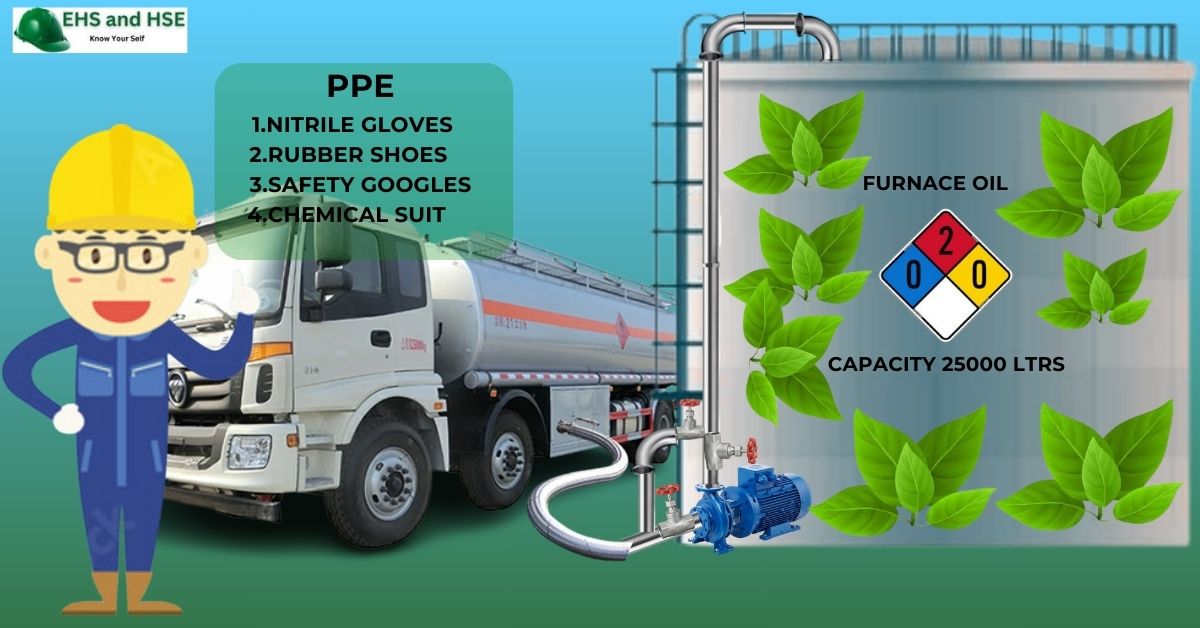
Fuels and Flammables NFPA diamonds. Oils and Lubricants.

Fuel and flammable NFPA diamonds are at high risk of fire as compared to other risks. materials like petroleum products and lubricants are highly flammable because their fire risks are very high. Here are some fuel and flammable NFPA diamonds with Hazard Rating. These NFPA diamonds are commonly used with GHS hazard pictograms in fuel tanks, … Read more

The Best Safety Shoes

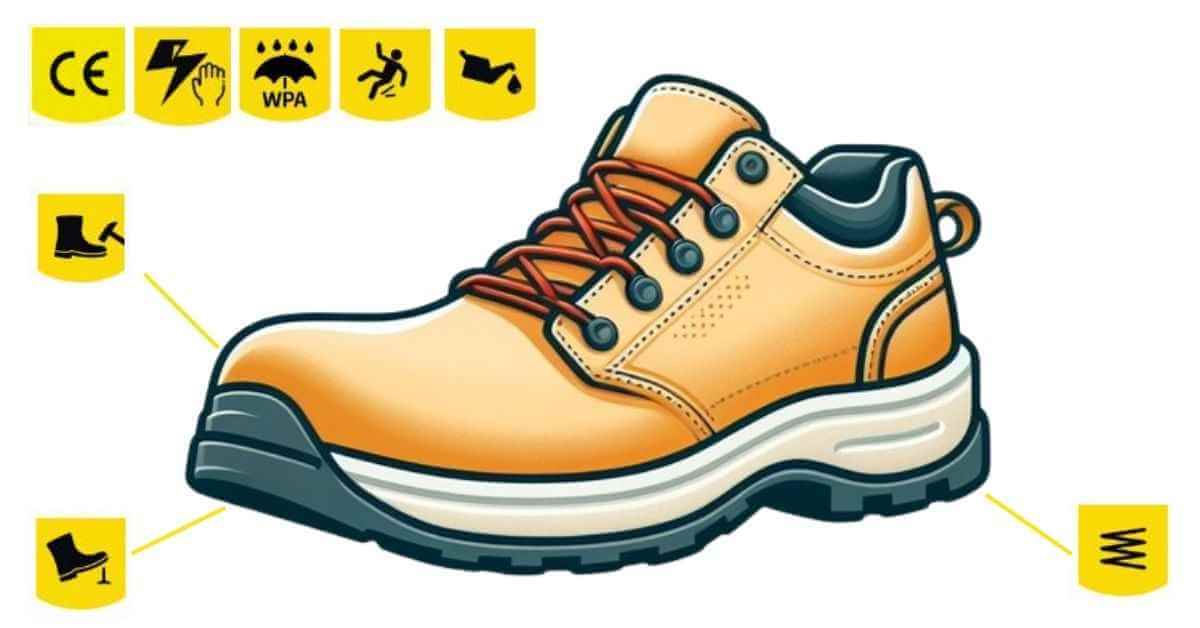
The best safety shoes with icons of qualities.

What is a safety shoe?

Shoes that protect our feet from hazards of dropped objects, slipping and sharp edge objects are called the best safety shoes. Safety shoes are an essential part of PPE (Personal Protective Equipment).

Qualities of Safety Shoes

  • With Comfortable footbed
  • Ultimate shock absorption
  • Protective Toe cap
  • Puncture Resistance
  • European or ASTM standards
  • Slip Resistance

With Comfortable footbed

The comfortable footbed should be developed with an exceptional performance structure of safety shoes. Safety shoes must be comfortable during maintenance work and hard work. The shoes should be designed to be light in weight, have air breath ports, and be comfortable all day long.      

Ultimate shock absorption

The quality of shock absorption protects the feet from the impact of the jumps. The quality of shock absorption protects the feet from the impact of the jumps. For this purpose, a cushioned and comfortable footbed is essential in safety shoes.

Protective Toe cap

A protective toe cap of safety shoes should be made according to European or ASTM standards. It protects the feet from impact regardless of the material. It also protects the feet from fallen objects at feet.

  1. Steel Toe cap
    • Steel toe caps are naturally stronger than composite or other material toe caps.
  2. Composite toe cap
    • Composite toe caps are lighter than steel toe caps. It reduces stress and fatigue on the legs and joints throughout a long workday.
  3. Nanocarbon toe cap
    • Nanocarbon toe caps are thinner and lighter than composite toe caps. Therefore this is a solution for the thicker and bulkier composite toe caps.
      • Composite and nanocarbon toe caps are also metal-free and practical when working in an electrical hazardous environment. It is also suitable for work on metal detectors such as courts, banks, and airports.
  4. Layer as conductor
    • A thinner layer should be used in the sole of the safety shoes to reach the same strength as a composite toe. It should be used as a conductor of cold, heat, and electricity.
  5. With Self-cleaning outside

Puncture Resistance

A steel layer must used in midsoles from toe to heel. The steel layer prevents the shoe’s puncture. It protects feet from sharp edge objects entering through the sole that can cause injury to feet.

Slip Resistance

Slipping resistance is very essential quality in industrial footwear. Slipping resistance soles must tested on a ceramic tile wetted with a dilute soap solution. It should also tested on a smooth steel with glycerol. If the safety shoes pass these tests that’s why we should consider them safe safety shoes.

European or ASTM standards

European Standards Safety Shoes

These standards are important for manufacturers, employers, and consumers. To ensure the quality safety footwear for every workplace condition.

  1. EN ISO 20345:2011:
    • This standard specifies basic requirements for safety footwear. It covers features of safety shoes toe protection, impact of objects, compression, and essential safety criteria.
  2. EN ISO 20347:2012:
    • Focusing on occupational footwear, this standard sets requirements for comfort, durability, and other performance aspects.
  3. EN ISO 20346:2014:
    • Similar to EN ISO 20345, this standard pertains to protective footwear. It focuses on increased resistance to penetration. It also covers a higher level of protection for the metatarsal area.

ASTM International Standards

  1. ASTM F2412-18 and F2413-18:
    • These standards cover the performance requirements for various types of safety shoes.
      • ASTM F2412 addresses testing methods for foot protection.
      • ASTM F2413 specifies the minimum performance criteria for the safety of footwear’s toe.
  2. ASTM F2892-18:
    • This standard covers non-metallic safety toe-protective footwear. It specifies requirements for design, performance, and all types of testing.
  3. ASTM F2412-18 and F2413-18 Metatarsal Guards:
    • ASTM standards ASTM F2412-18 and F2413-18 about specific metatarsal guards used in safety footwear. These standards address the performance and testing of safety footwear metatarsal protection.
  4. ASTM F1117-03(2017):
    • This standard provides guidelines for selecting footwear according to the workplace.

Related Posts

https://ehsandhse.com/ppe-and-its-uses

Industrial Safety Solutions

Meaning of safe environment in Industry. Industrial safety solutions are the key success of an industry and refers to a work setting or facility for the betterment of the workers. Safety is the key success of an industry refers to a work setting or facility. For this purpose in this environment, the employees, and visitors. … Read more

Power sources used in industry

Common power sources are used in industry to make the machines operational for production. Understanding these powers and how to protect yourself from the hazards of these powers is very necessary.

Power sources commonly used on a machine:

  • 1. Electrical power
  • 2. Mechanical power
  • 3. Pneumatic power
  • 4. Hydraulic power
  • 5. Chemical power

Details of each power source with associated risks.

All power sources should be shut off before starting maintenance work on the machine. This is also mentioned in the work order and work permits.

1. Electrical power

Electrical power is a common, necessary, and important machine operating source. The risks of electrical power are higher than those of other power sources. Electrical energy is necessary and important in the power sources used in industry, it is common for each machine to be functional.

Risks:
Remedies:

2. Mechanical power

Mechanical power is the moving of a machine’s parts. Like flywheels, gears, pullies, sprockets, belts, chains, and other moving parts. So that is why this is very dangerous to uncover or unsafe to use mechanical power.

Risks:
Remedies:

3. Steam power

Steam power is a very important power source. Its use increases the temperature of air for the drying purpose of the product. It is also used in machines to increase the temperature of water for washing, dying, and bleaching purposes. Steam uses the direct-on product in the machine. For product pressing, color penetration, and size variation.

Risks:
Remedies:

4. Pneumatic power

compressed air is Pneumatic power. Compressed air is used for the control system in the machine. Like open and close valves, pneumatic jacks, and cylinders. And carry to machine and machine parts.

Risks:
Remedies:ses

5. Chemical Power

Chemical Power is used for specific purposes and in specific types of machines for specific purposes. Sometimes chemical power is not a type of power.

Industrial Building Safety

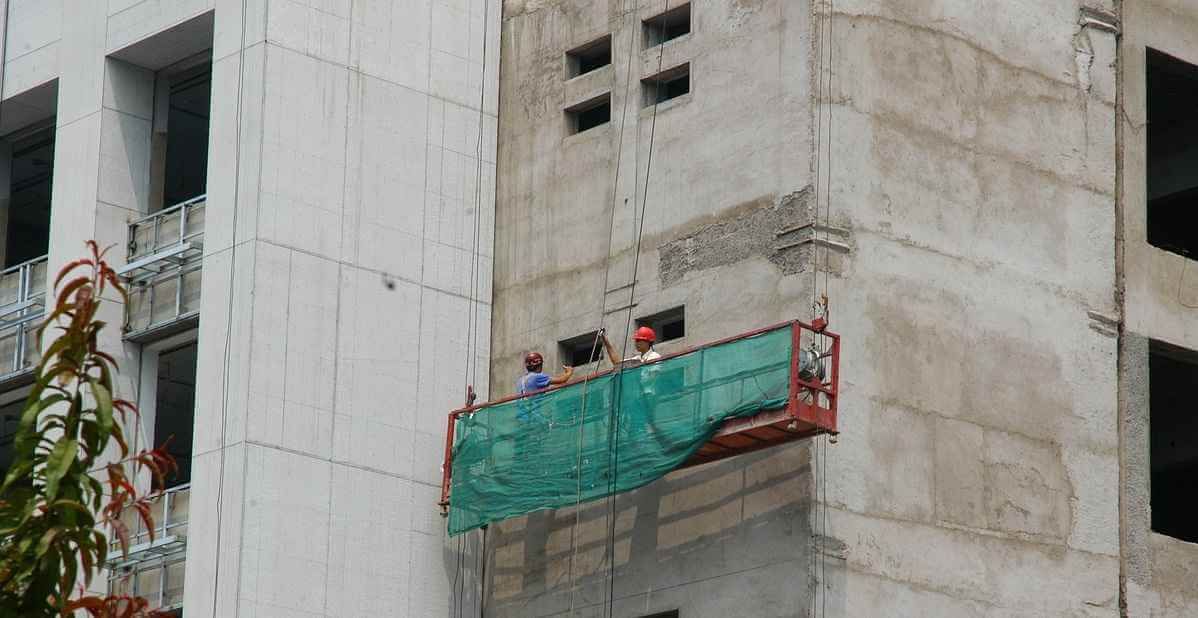
Worker works on industrial building

There are so many workers working in the industry, and industrial building safety for workers safety is very important.

The elements that affect industrial building.

  1. Heavyweight- 2. Weighted carry brackets and supports- 3. Holes for piping- 4. Vibration and Noise- 5. Moving machines- 6. Vapors- 7. Exposure- 8. Radiation- 9. Fatigue

1. Heavyweight

Heavy weight on the industrial building can be very dangerous for the building. It decreases the life of the building and increases the risks of collapse. The cross-metal bridge for the support of pipes is not safe to be put on the building’s wall. For this purpose, a support made with metal pipes should be used from the ground to carry weight.

2. Weight carry brackets and supports

Brackets and supports with walls and under the roof for carrying the weight of pipes and other objects should be used safely.

3. Holes for piping

Necessary or unnecessary holes in the building’s roof or walls make the building structure weak. The proper brackets or iron-made frame should be fit in the walls for building safety betterment. We can use concrete beams for this purpose.

4. Vibration and Noise

Vibrations of heavy machines can collapse the building. Because vibrations affect the foundation and structure of the building by making cracks with time. We can control these issues by controlling the vibration of the machines and following these instructions:

  1. Use the flexible iron rods in the building structure and iron rod-made floor beds for machines.
  2. Don’t connect directly the machine’s connected pipelines with the roof or walls because the vibration of machines transfers to the walls and roof through these pipelines.
  3. Always use insulation or foam-type material around the lines at the point that connects to the roof or walls.
  4. Use flexible joints or rubber bellows at the pipelines that are connected to the machine.

5. Moving machines

Moving machines are commonly hit by buildings when working. Piller corners and doors can damaged when moving machines hit them. For pillars and building’s corner’s safety:
1. Metal putty or metal angle should be grout around the corners.
2. Metal sheets should wrapped around the corners.
3. Grills of metal pipes should be grouted around the pillars and in front of the walls.

6. Vapors

Industrial building safety is very important when industrial buildings are used for chemical storage or used in the building.

  1. Corrosive chemical vapors, such as those containing acids or corrosive gases, can damage the metal components of a building. This can weaken the structural integrity of the building over time. Corrosive vapors can also affect electrical systems within a building.
  2. Certain chemical vapors may react with building materials, leading to their deterioration. For example, vapors from acids and chemicals can react with the paint, sealants, and concrete.
  3. Chemical vapors can cause discoloration of building surfaces. This can be particularly evident on exterior walls, facades, and other exposed surfaces. For instance, sulfur-containing compounds can cause dark stains or discoloration.
  4. Odor Permeation from chemical vapors can permeate building interiors, affecting indoor air quality and workers’ comfort. This can have bad effects on the building.
  5. Some chemical vapors can contribute to the deformation of building surfaces. Salts that can appear as a white, powdery substance on walls and other masonry surfaces.

7. Exposure

Buildings of industrial areas or subjected to chemical spills may face exposure to corrosive or hazardous chemicals. This can lead to material degradation and discoloration. Exposure to ultraviolet (UV) radiation from sunlight can cause fading and degradation of exterior finishes, paints, and sealants. The weather conditions such as rain, wind, sunlight, and temperature fluctuations can affect the building. Prolonged exposure to moisture, through rain, humidity, or leaks, can result in building damage. This may include rotting of wood, mold growth, and deterioration of building materials.

8. Radiation

Solar radiation, primarily in the form of sunlight, can have several effects on buildings:

Thermal Expansion: Sunlight can cause materials to expand and contract due to temperature fluctuations, leading to stress on building components. Ultraviolet (UV) radiation in sunlight can cause fading of colors in paints, fabrics, and other materials over time. Ionizing radiation, such as gamma rays or X-rays, can potentially have damaging effects on building materials and electronic systems. Radiofrequency (RF) Radiation from sources like cell towers or communication devices can have minimal direct impact on buildings. Nuclear Radiation can cause incidents, buildings may be exposed to radioactive particles and fallout. Electromagnetic radiation is typically at low levels and does not directly harm buildings.

9. Fatigue

Industrial buildings are used for 24 hours commonly and the element of fatigue can affect these buildings. When designing these buildings this factor is considerable.

Industrial building safety audit report

The Posts Related to Industrial Building Safety

First Aid

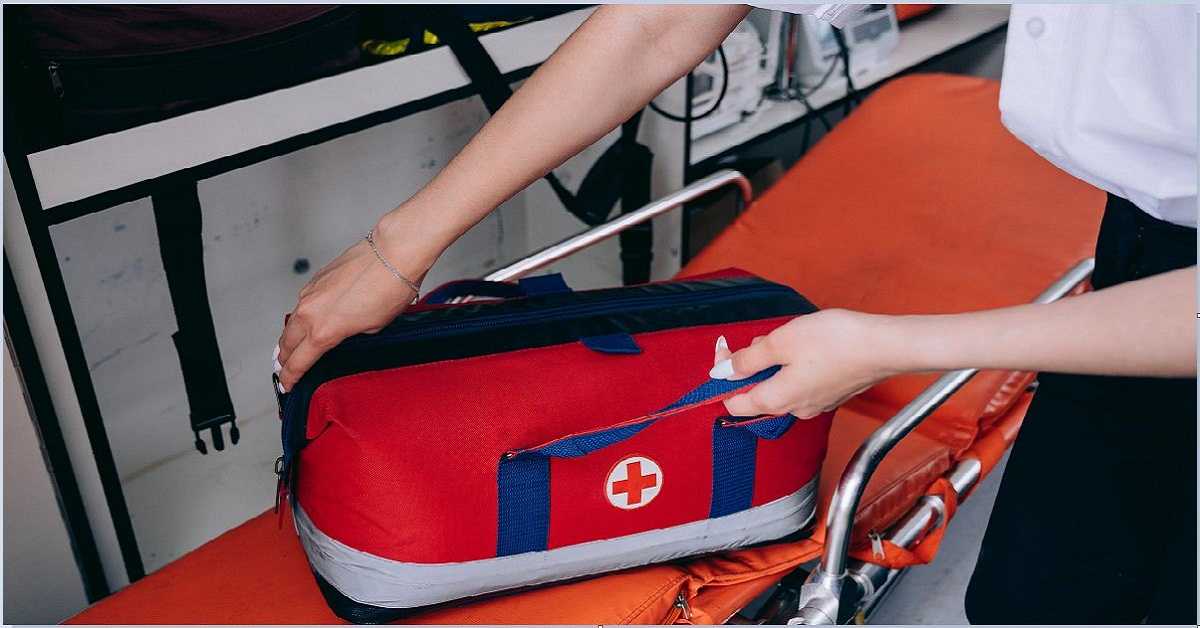
Girl holding First aid bag

Before arriving at the doctor’s a trained person gives treatment to the injured person is called first aid. First aid is given with the help of available items.

Importance of first aid

  1. to reduce the loss of physical imbalance due to incidents.
  2. To control the bleeding, continuous bleeding can be very dangerous for the patient.
  3. First aid gives a boost to the patient that is very necessary for the patient.

A good first aider

Here are some characteristics of a good first aider:

According to Profession

  1. He should not ask any unnecessary questions from the patient.
  2. Firstly he should know the damaged body parts and their condition.
  3. He should know the reason for this situation and how to control it.
  4. He should start the first aid procedure without time waste.
  5. The first aider should be able to trust the patient can trust his first aid.

According to Nature

  1. He should control his feelings and not be confused or depressed.
  2. He should be able to make the best decision on the spot.
  3. He should motivate the patient.
  4. He should not speak unnecessary words before the patient.

Common First Aid Rules

  1. Don’t consider a patient as a dead person.
  2. Don’t consider yourself a professional doctor.
  3. Remove the real reason for this incident.
  4. Firstly try to keep the patient from shock.
  5. Provide fresh air to the patient.
  6. keep the patient warm and give rest to the patient.
  7. Recover the patient’s respiratory system.
  8. In case of poison absorption, try for the patient who vomits it completely.
  9. Don’t give edible or drinkable items to the patient in case of unconsciousness.
  10. Remove unnecessary clothes of the patient in case of heat stroke.
  11. Try to transfer a patient to a safe place from the place of incident.
  12. If continuously bleeding from the head of the patient then stay up the head of the patient.
  13. Do not discuss the status of the patient in front of the patient.
  14. Try to transfer a patient to the doctor or hospital as soon as possible.

The ANSI Safety Standards for chain and sprocket.

uncovered cain and sprocket

The ANSI Safety Standards Safety Standards for Mechanical Power Transmission Apparatus is ANSI/ASME B15.1-1984.Safety Standards Conveyors and Related Equipment is ANSI/ASME B20.1-1990. These safety standards instructions are for work on chains, sprockets, and other power transmission sources. Read Other ANSI safety standards Machine Safety Standards Series Dropped Object Prevention

Electric shock.

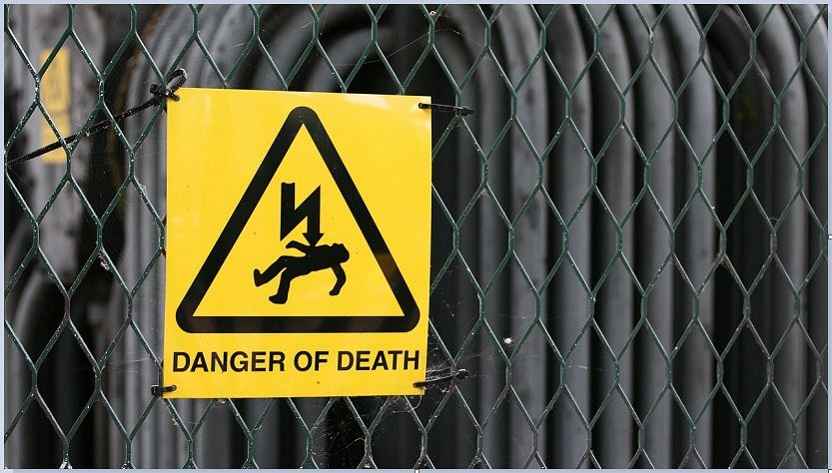
electric transformer with sign of electric shock

Treatment for electric shock. 1. Evaluate Potential Dangers A. Your first action. B. Safeguard yourself. Keep 25 meters from high voltage electricity until power is turned off by authorities. For low voltage, turn off mains power. Ensure power sources are ‘off’ before attending to the victim if the patient collapses due to an electric shock. … Read more